You can have a big heart without carrying everybody.
Are you always the person others call when something goes wrong? Do you solve problems, manage crises, fix partners, overgive, and take responsibility for other adults, only to end up exhausted or resentful?
Stop Saving Everybody is a 40-page, trauma-informed emotional wellness workbook created by Licensed Clinical Social Worker Chisara Okehi. It is designed for women who are ready to understand why being needed can feel like being loved and begin separating genuine care from rescuing, overfunctioning, and self-abandonment.
This workbook explores the deeper beliefs and survival patterns that can keep women trapped in cycles of overgiving, including the fawn response, people-pleasing, earning love through usefulness, “Barbara the Builder” relationships, fixing partners, emotional labor, and difficulty tolerating other people’s disappointment.
Inside the workbook
People-pleasing self-assessment
Fawn-response psychoeducation
“Barbara the Builder” relationship-pattern worksheet
“Captain Save a Hoe” reflection
Helper versus rescuer assessment
Rescuer-anxiety exercise
Fixing-partners pattern assessment
Potential versus participation reflection
Overfunctioning inventory
Emotional-labor audit
Overgiving assessment
Relationship reciprocity audit
Resentment reflection
Boundary scripts for recovering rescuers
24-hour rescue rule
Receiving-without-reciprocating practice
Self-worth restoration prompts
Personalized stop-rescuing plan
Weekly overfunctioning review
Guided journaling pages
Affirmations for recovering people-pleasers and rescuers
This workbook may be for you if you:
Feel responsible for fixing other people’s problems
Say yes before checking your emotional or practical capacity
Feel guilty when you set boundaries
Become attached to someone’s potential instead of their participation
Carry most of the emotional or practical labor in relationships
Feel anxious when someone you love is struggling
Have difficulty receiving without immediately giving something back
Question who you are when no one needs you
Believe you must be useful, helpful, or needed to deserve love
Want to care for others without abandoning yourself
Product details
40-page digital workbook
Printable PDF
Designed for personal, self-paced reflection
Can be used independently or alongside therapy
Trauma-informed and culturally responsive
Created by a Licensed Clinical Social Worker
Formatted for standard US Letter printing
Digital download only
No physical product will be mailed
Please note
This is a standard printable PDF and does not contain fillable form fields. It may be imported into compatible PDF annotation or note-taking applications for handwritten digital use.
Colors may vary slightly depending on your screen and printer settings. For best printing results, select “Fit to Page.”
This workbook is for educational and emotional wellness purposes. It is not a substitute for psychotherapy, medical treatment, diagnosis, or crisis care.
Personal-use license
Your purchase is for individual use only. You may print a copy for yourself, but you may not reproduce, redistribute, share, modify, resell, upload, or use the workbook commercially.
You do not have to become cold or uncaring to stop rescuing everyone. You can keep your compassion and build healthier boundaries.
You can have a big heart without carrying everybody.
Are you always the person others call when something goes wrong? Do you solve problems, manage crises, fix partners, overgive, and take responsibility for other adults, only to end up exhausted or resentful?
Stop Saving Everybody is a 40-page, trauma-informed emotional wellness workbook created by Licensed Clinical Social Worker Chisara Okehi. It is designed for women who are ready to understand why being needed can feel like being loved and begin separating genuine care from rescuing, overfunctioning, and self-abandonment.
This workbook explores the deeper beliefs and survival patterns that can keep women trapped in cycles of overgiving, including the fawn response, people-pleasing, earning love through usefulness, “Barbara the Builder” relationships, fixing partners, emotional labor, and difficulty tolerating other people’s disappointment.
Inside the workbook
People-pleasing self-assessment
Fawn-response psychoeducation
“Barbara the Builder” relationship-pattern worksheet
“Captain Save a Hoe” reflection
Helper versus rescuer assessment
Rescuer-anxiety exercise
Fixing-partners pattern assessment
Potential versus participation reflection
Overfunctioning inventory
Emotional-labor audit
Overgiving assessment
Relationship reciprocity audit
Resentment reflection
Boundary scripts for recovering rescuers
24-hour rescue rule
Receiving-without-reciprocating practice
Self-worth restoration prompts
Personalized stop-rescuing plan
Weekly overfunctioning review
Guided journaling pages
Affirmations for recovering people-pleasers and rescuers
This workbook may be for you if you:
Feel responsible for fixing other people’s problems
Say yes before checking your emotional or practical capacity
Feel guilty when you set boundaries
Become attached to someone’s potential instead of their participation
Carry most of the emotional or practical labor in relationships
Feel anxious when someone you love is struggling
Have difficulty receiving without immediately giving something back
Question who you are when no one needs you
Believe you must be useful, helpful, or needed to deserve love
Want to care for others without abandoning yourself
Product details
40-page digital workbook
Printable PDF
Designed for personal, self-paced reflection
Can be used independently or alongside therapy
Trauma-informed and culturally responsive
Created by a Licensed Clinical Social Worker
Formatted for standard US Letter printing
Digital download only
No physical product will be mailed
Please note
This is a standard printable PDF and does not contain fillable form fields. It may be imported into compatible PDF annotation or note-taking applications for handwritten digital use.
Colors may vary slightly depending on your screen and printer settings. For best printing results, select “Fit to Page.”
This workbook is for educational and emotional wellness purposes. It is not a substitute for psychotherapy, medical treatment, diagnosis, or crisis care.
Personal-use license
Your purchase is for individual use only. You may print a copy for yourself, but you may not reproduce, redistribute, share, modify, resell, upload, or use the workbook commercially.
You do not have to become cold or uncaring to stop rescuing everyone. You can keep your compassion and build healthier boundaries.


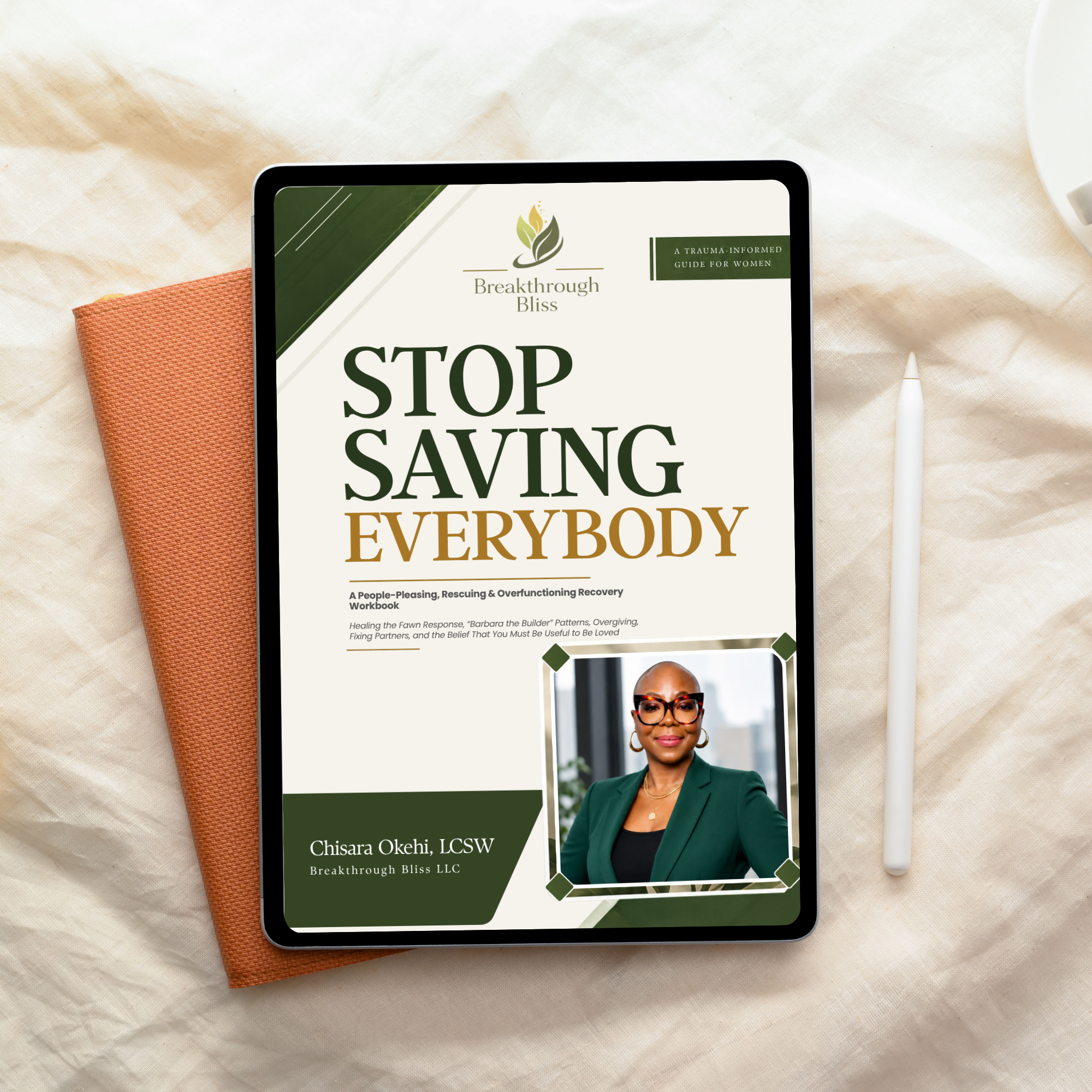 Image 1 of 6
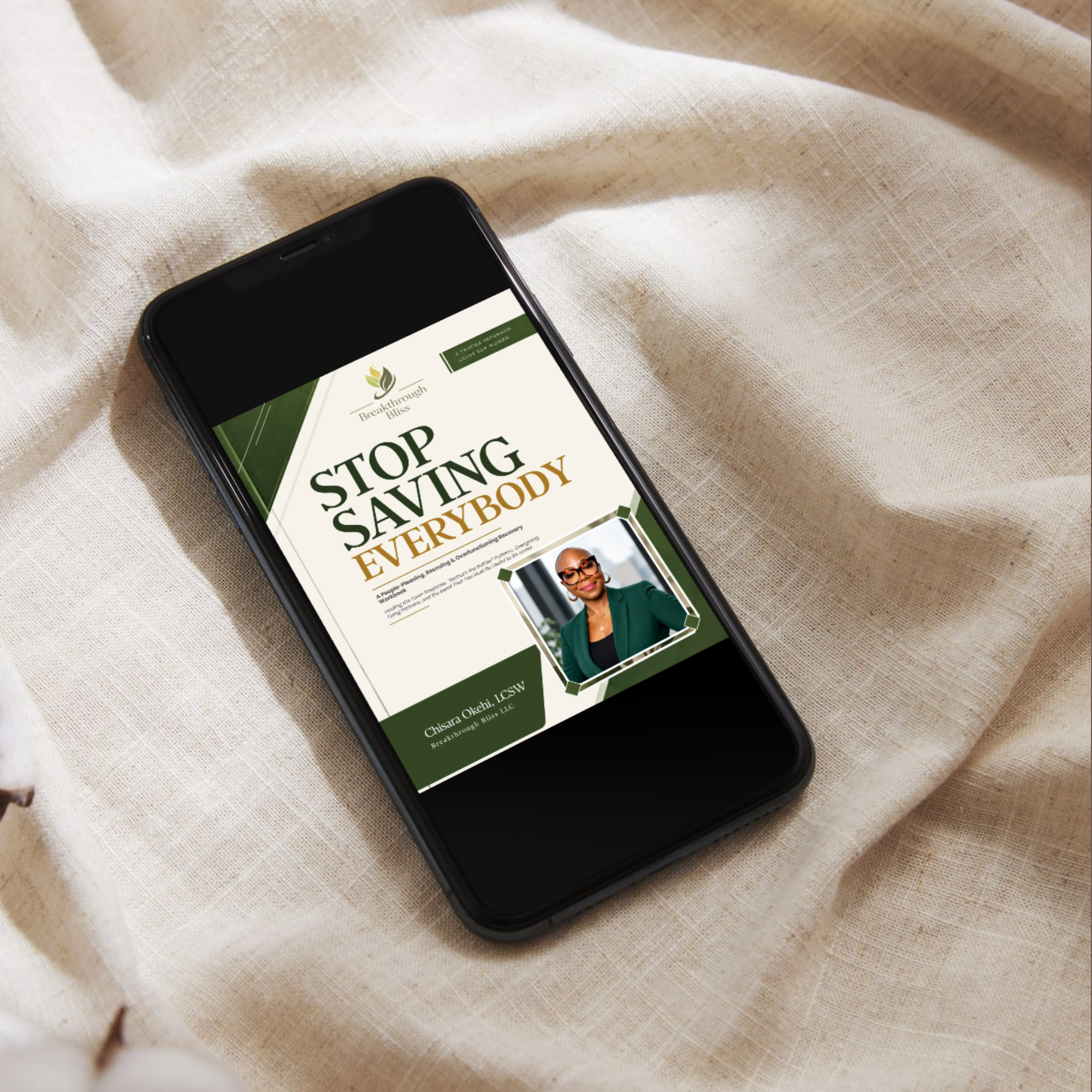 Image 2 of 6
 Image 3 of 6
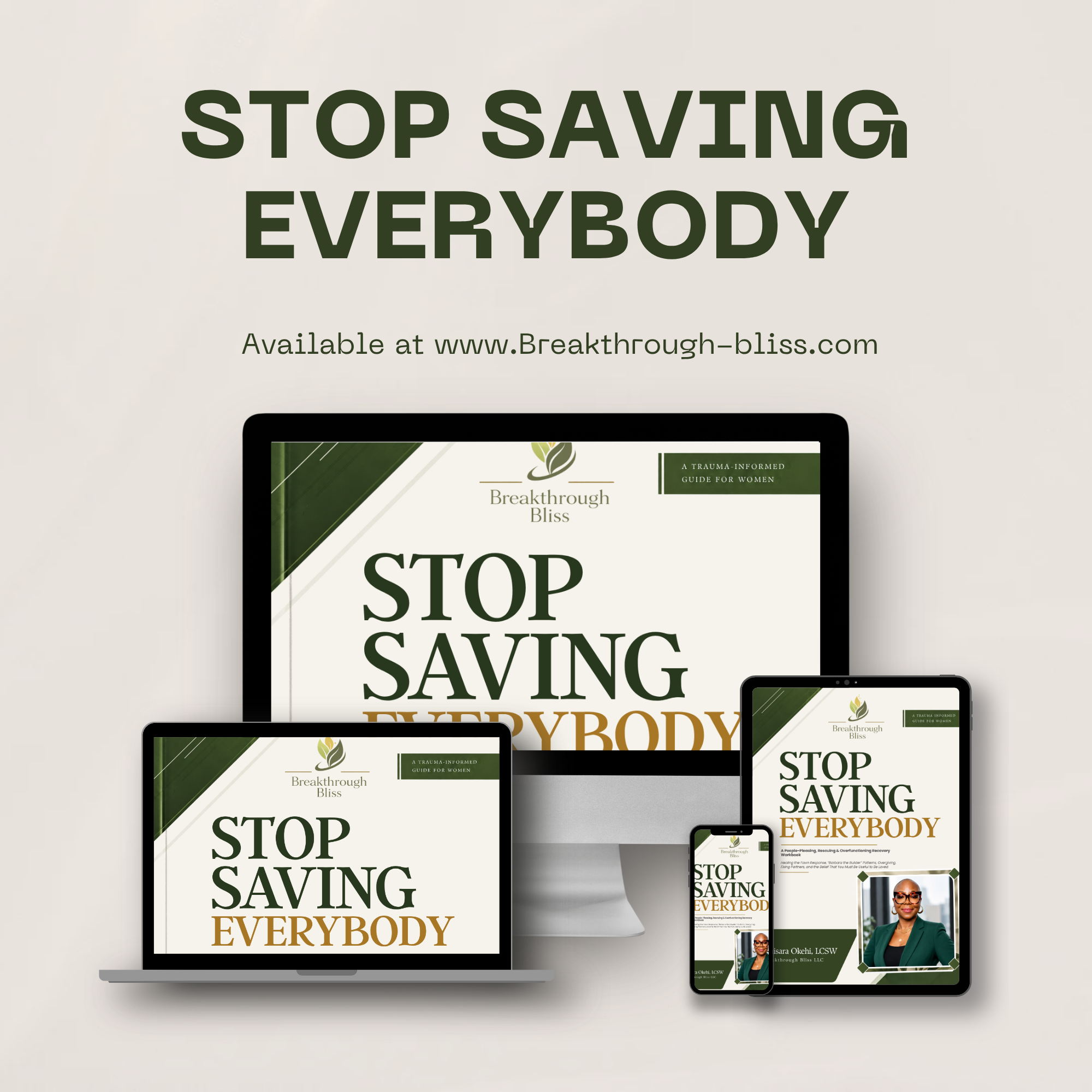 Image 4 of 6
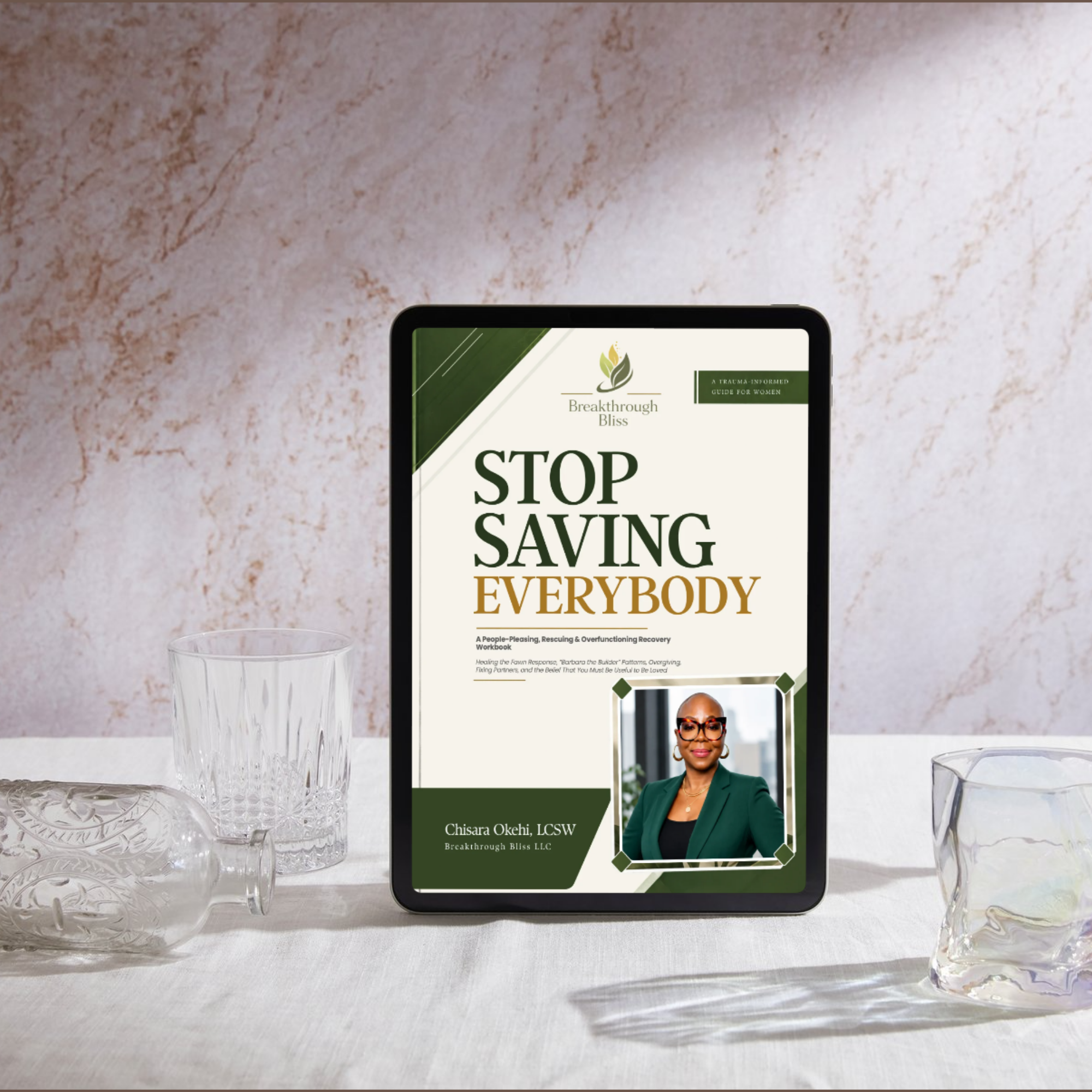 Image 5 of 6
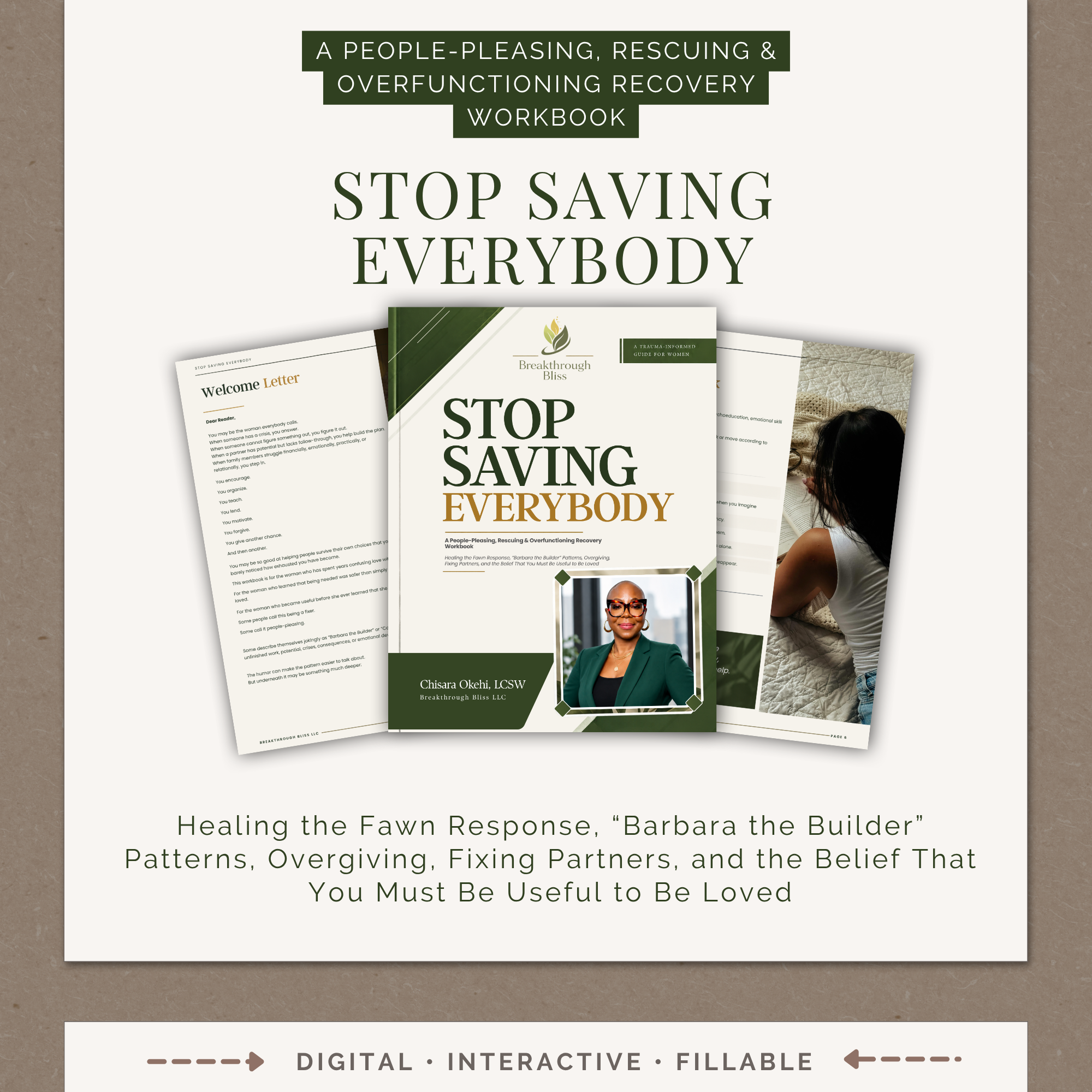 Image 6 of 6