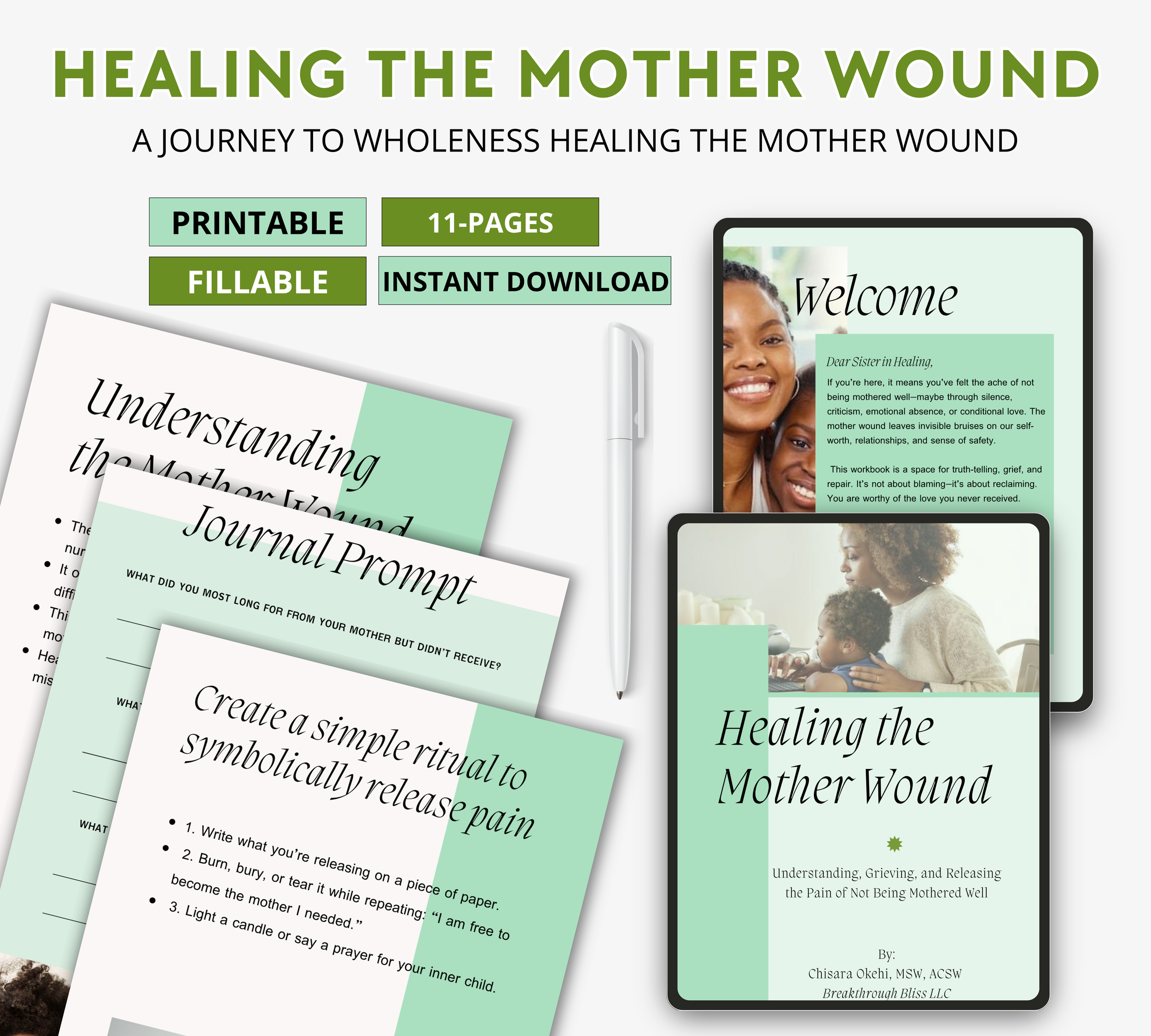
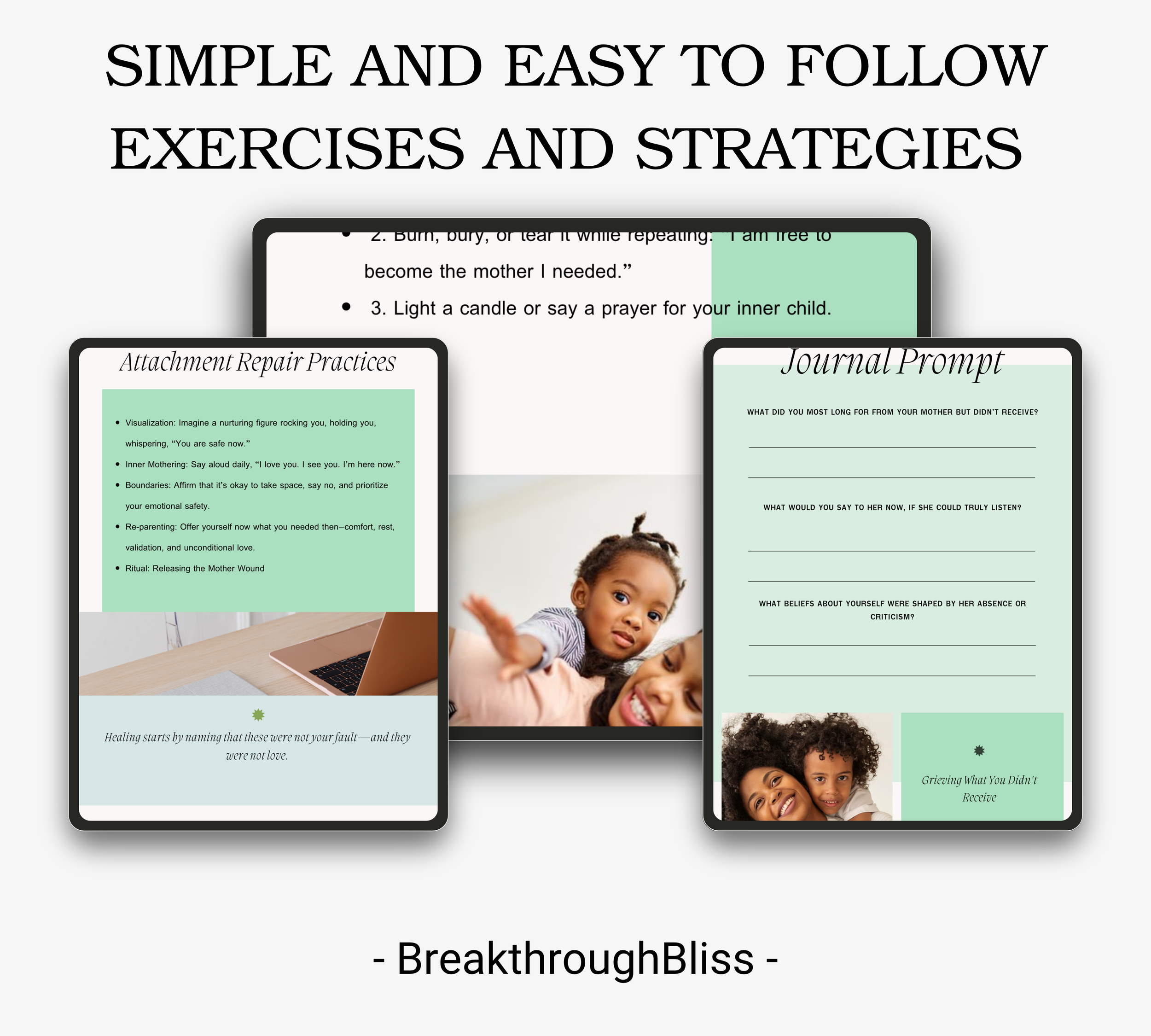
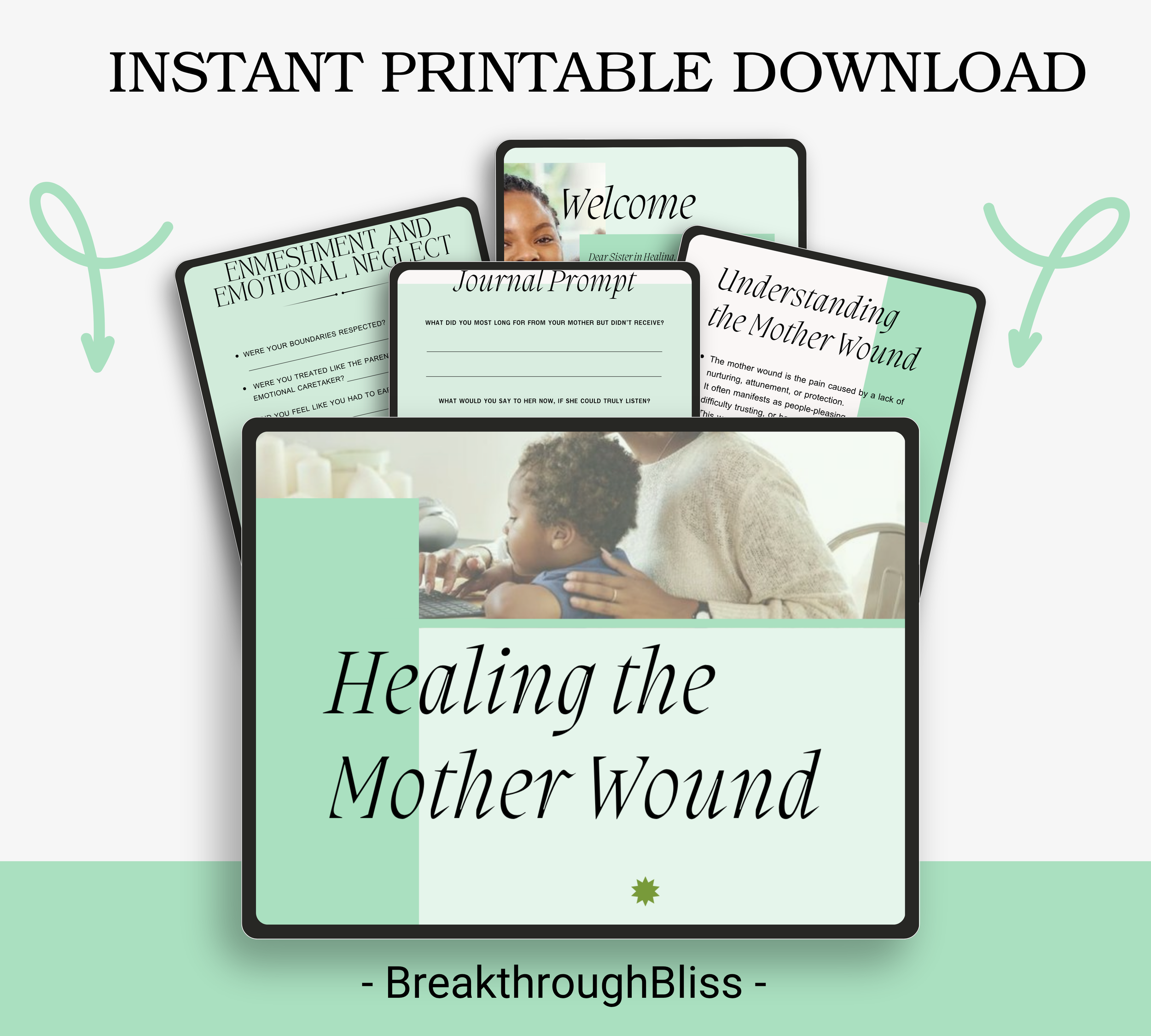
The way you connect to others is shaped long before adulthood. Attachment styles form in early childhood and quietly influence how you respond to intimacy, boundaries, conflict, and emotional safety. For many women, especially women of color, these patterns are further complicated by generational trauma, cultural expectations, and survival based roles that reward strength over vulnerability.
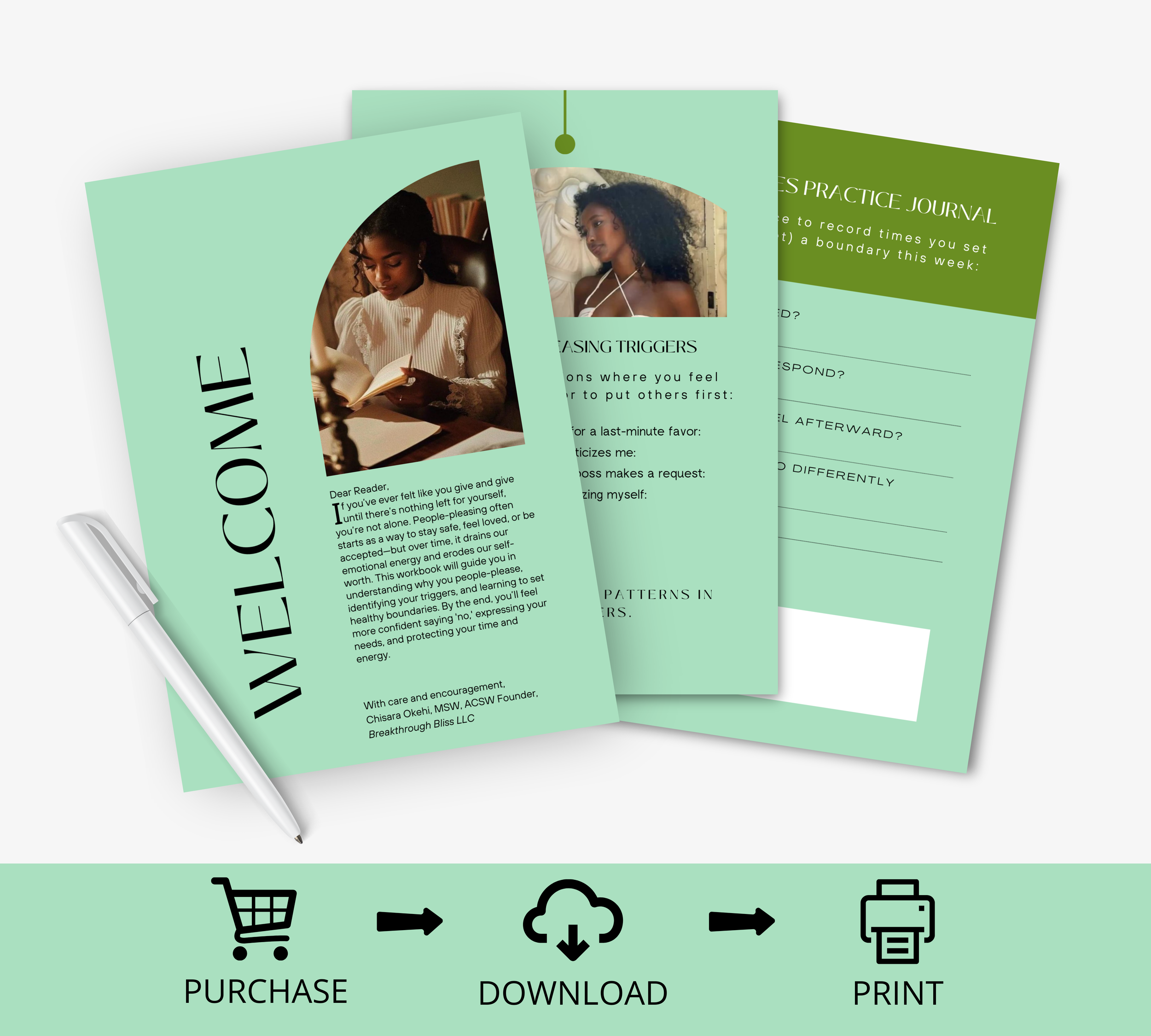
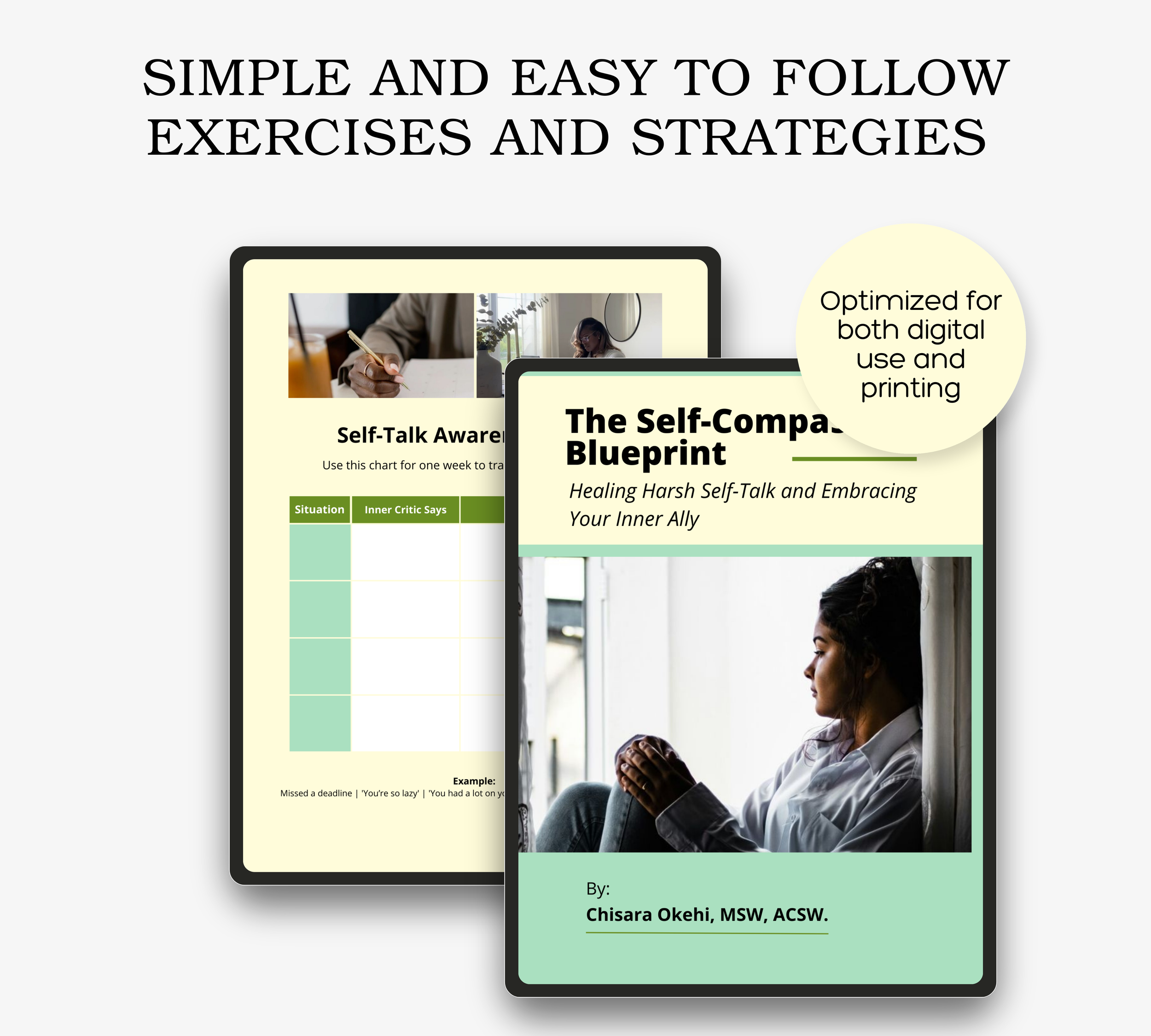
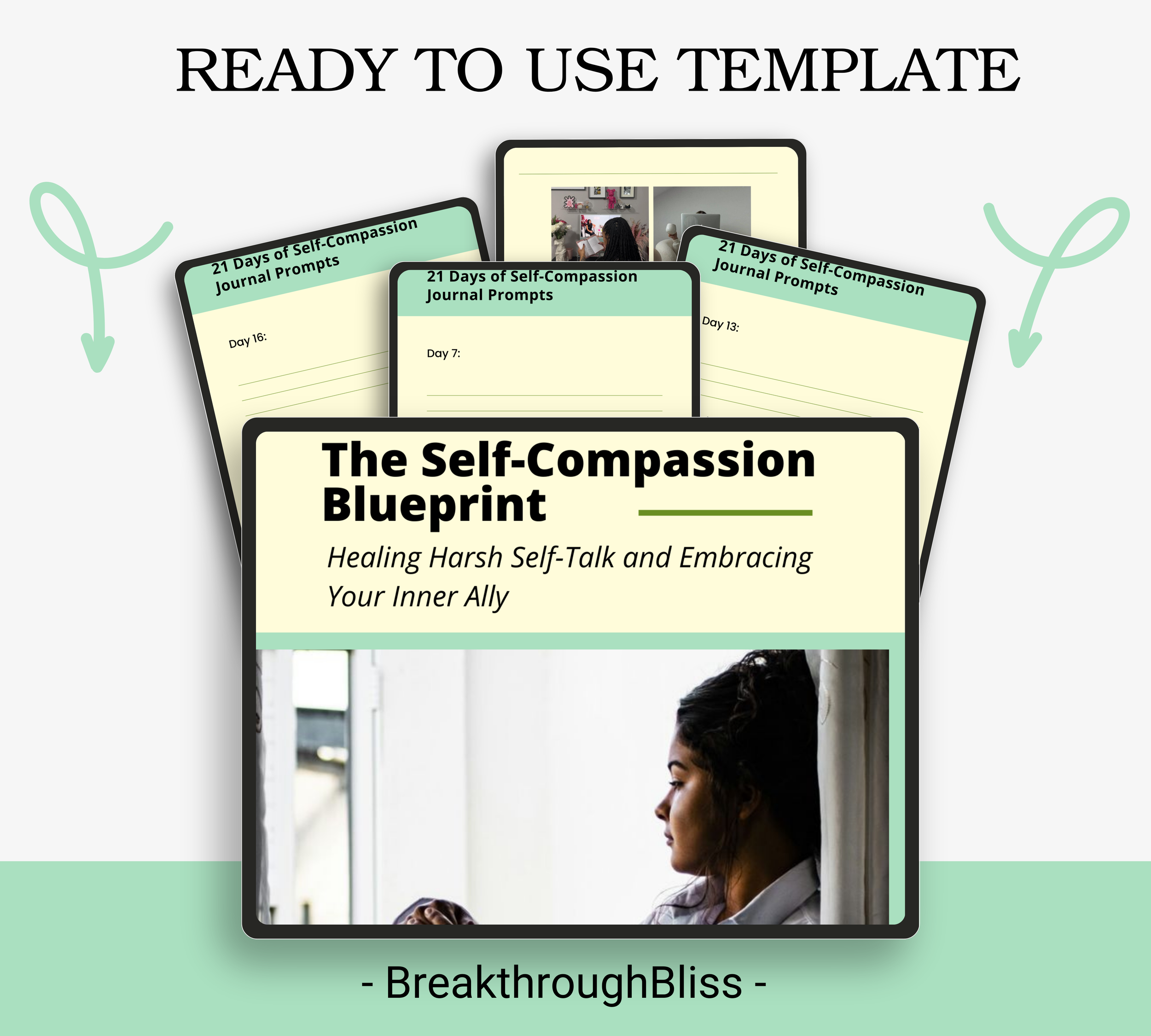
Attachment Styles is a guided workbook created to help you understand your attachment style, recognize how it shows up in your relationships, and begin the process of healing toward secure attachment.
Written by Chisara Okehi, LCSW, this workbook blends attachment theory, trauma informed care, and culturally responsive reflection to help you explore your emotional patterns with compassion rather than judgment. You will learn that your behaviors were once protective, even if they no longer serve you.
This workbook is not about fixing yourself. It is about understanding yourself.
What You’ll Learn and Explore
✔ The four main attachment styles, secure, anxious, avoidant, and disorganized
✔ How attachment patterns develop and why they persist into adulthood
✔ How attachment styles commonly show up in women’s romantic relationships and friendships
✔ The unique impact of racial trauma, cultural expectations, and generational survival on attachment
✔ How to assess your own attachment style through guided self reflection
✔ Practical steps to move toward secure attachment
✔ Grounding and regulation tools for emotional triggers
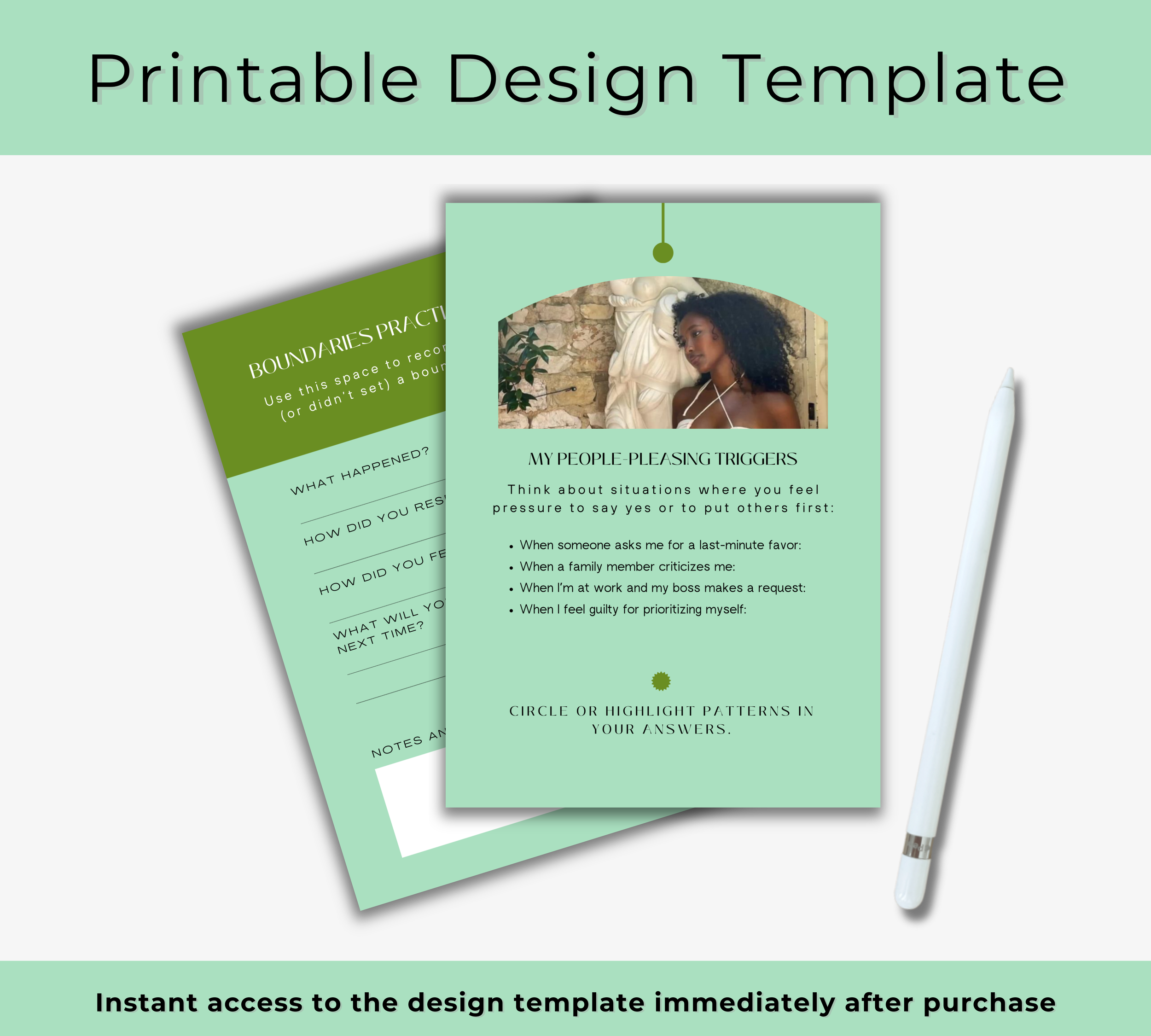
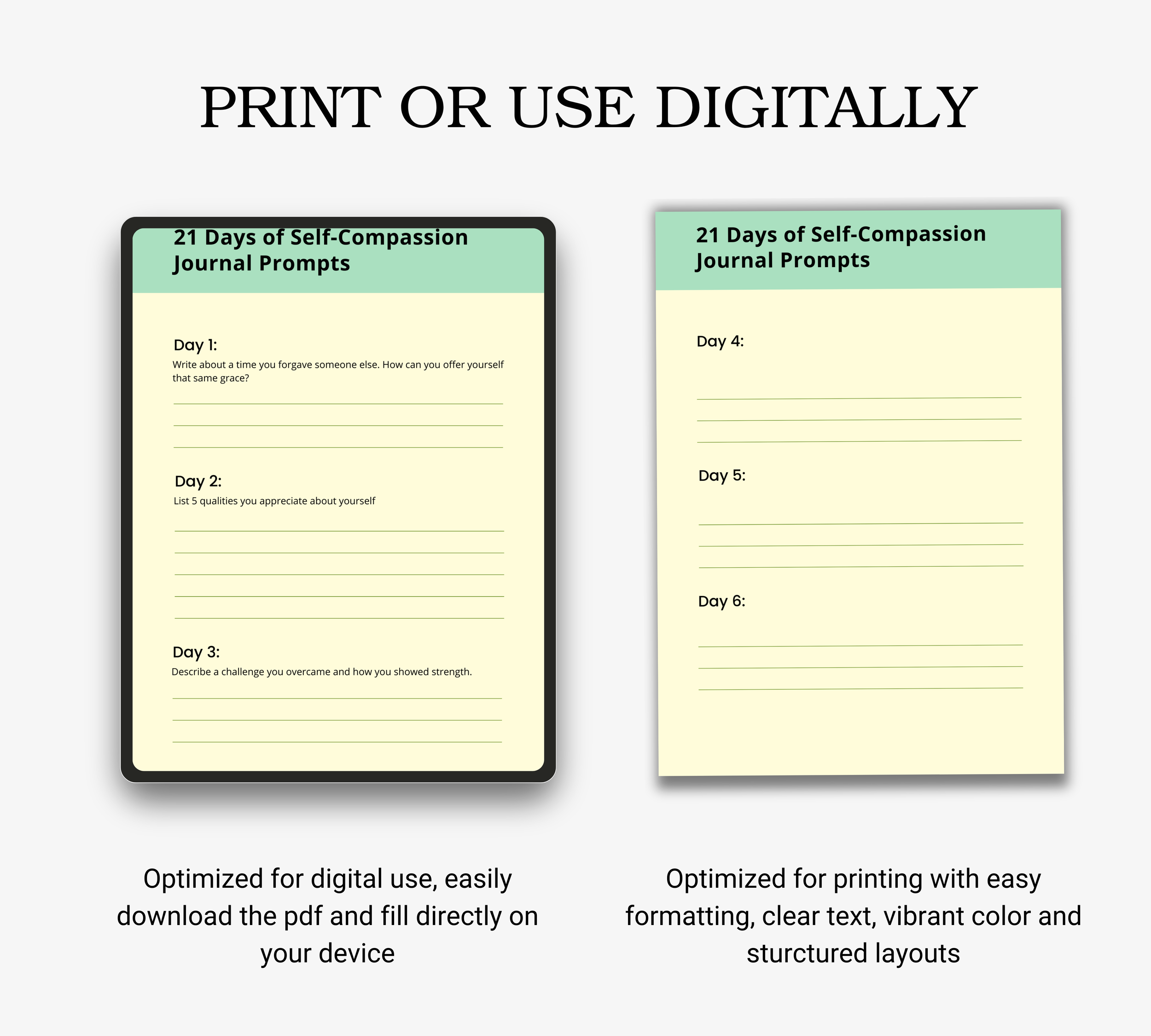
✔ Journaling prompts to explore safety, boundaries, and emotional needs
✔ Affirmations to support secure attachment and self trust
✔ Resources for continued healing and therapeutic support
Who This Workbook Is For
This workbook is for women who:
• Struggle with trust, closeness, or emotional safety
• Find themselves overgiving, withdrawing, or fearing abandonment
• Feel conflicted about intimacy and independence
• Were raised to be “strong” but not emotionally supported
• Want healthier relationships but do not know where to start
• Are healing from childhood trauma or relational wounds
This workbook is especially affirming for Black women and women of color seeking culturally aware emotional wellness tools.
What Makes This Workbook Different
This is not a surface level attachment quiz.
This workbook is grounded in clinical knowledge and written with deep respect for lived experience. It acknowledges the role of trauma, oppression, and survival while offering realistic, compassionate tools for change. The tone is validating, honest, and emotionally safe.
Format and Access
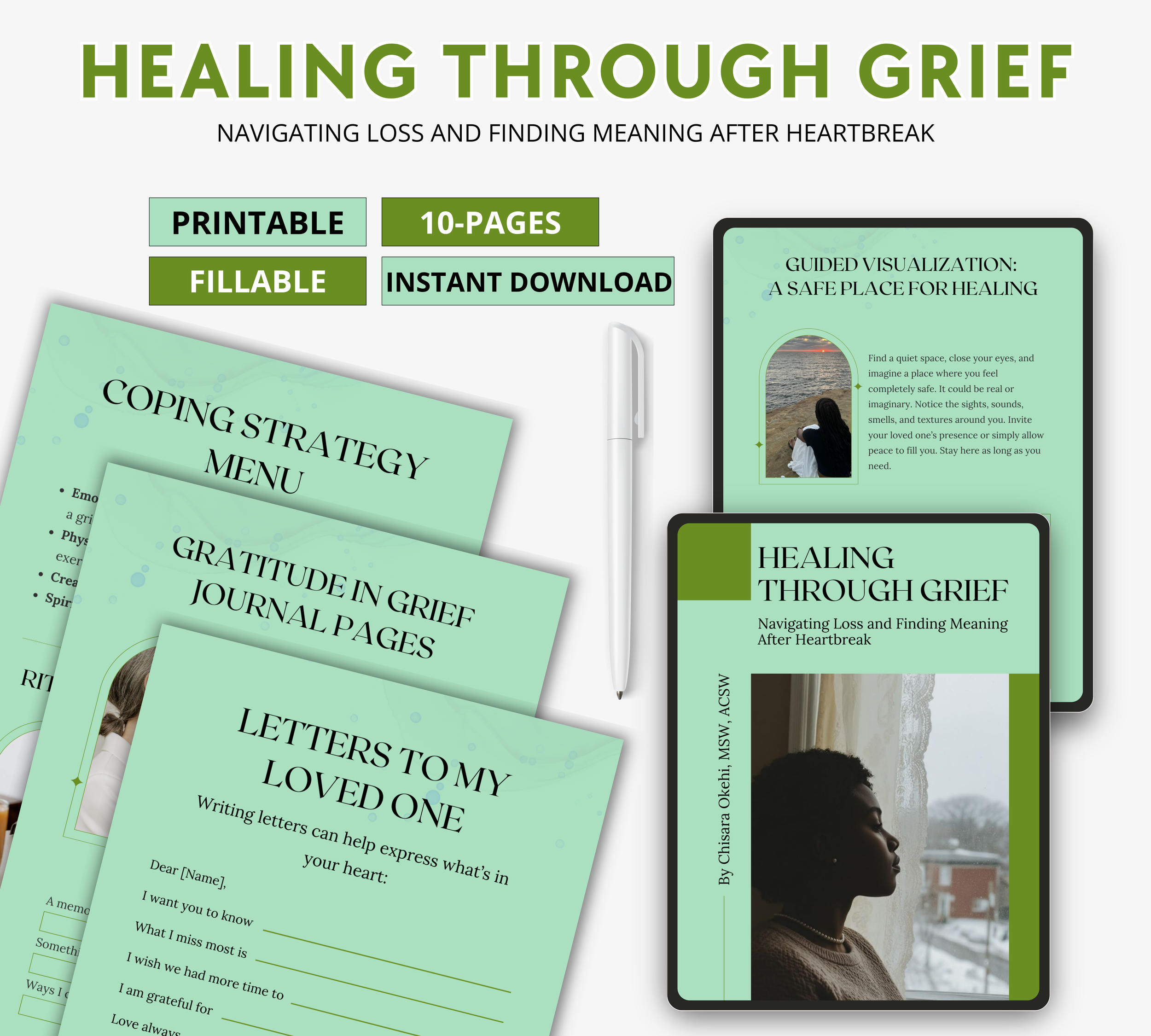
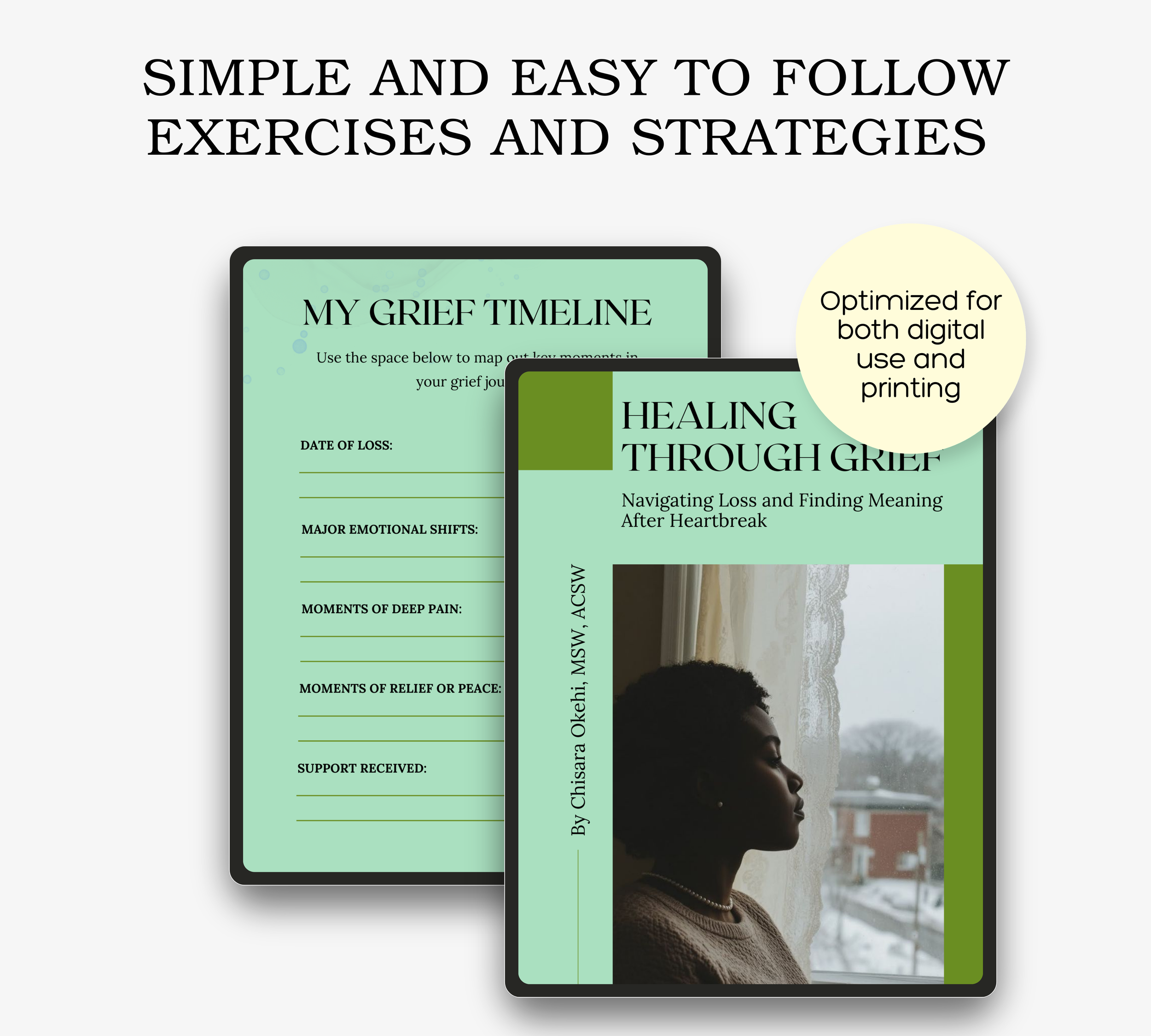
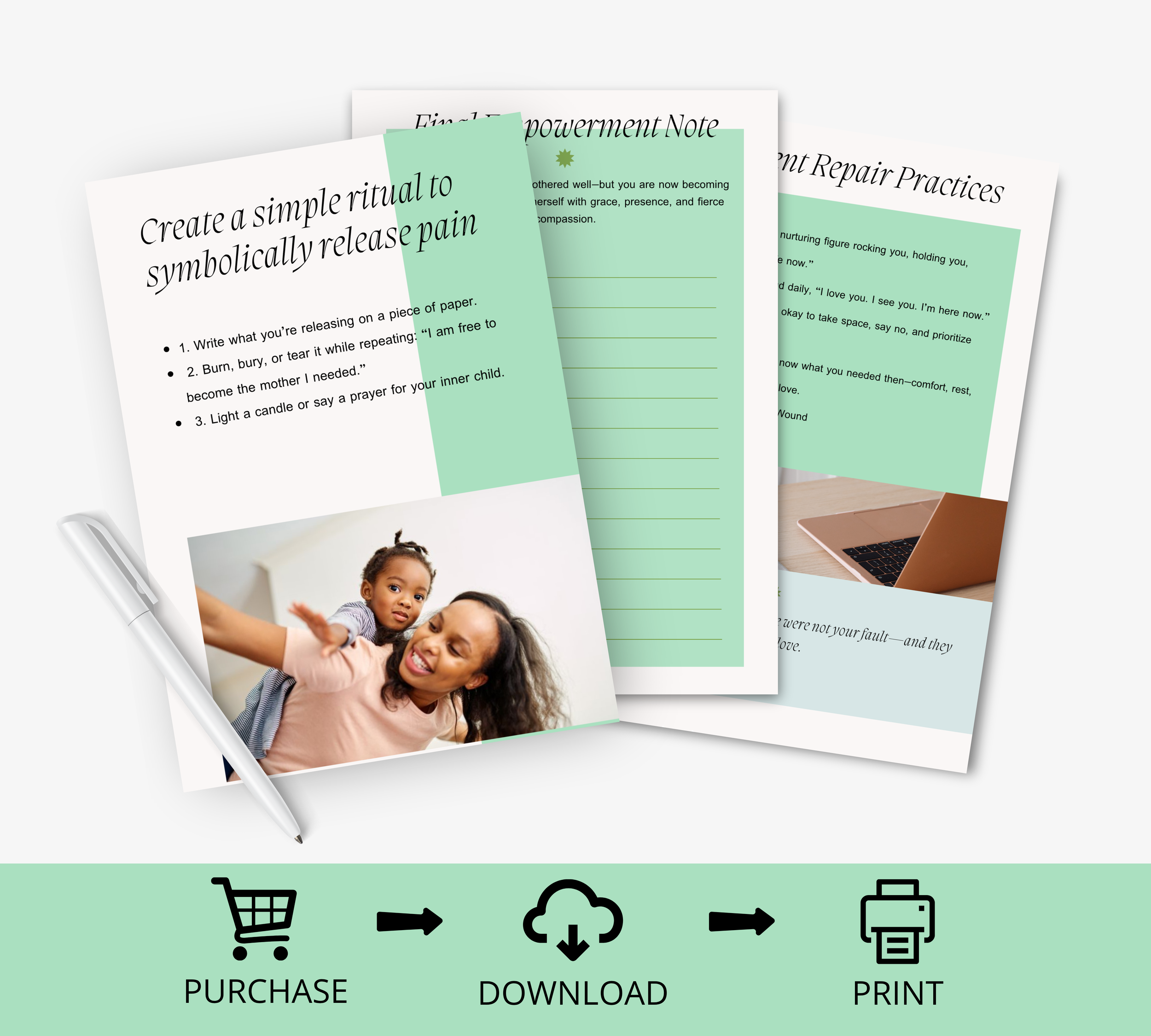
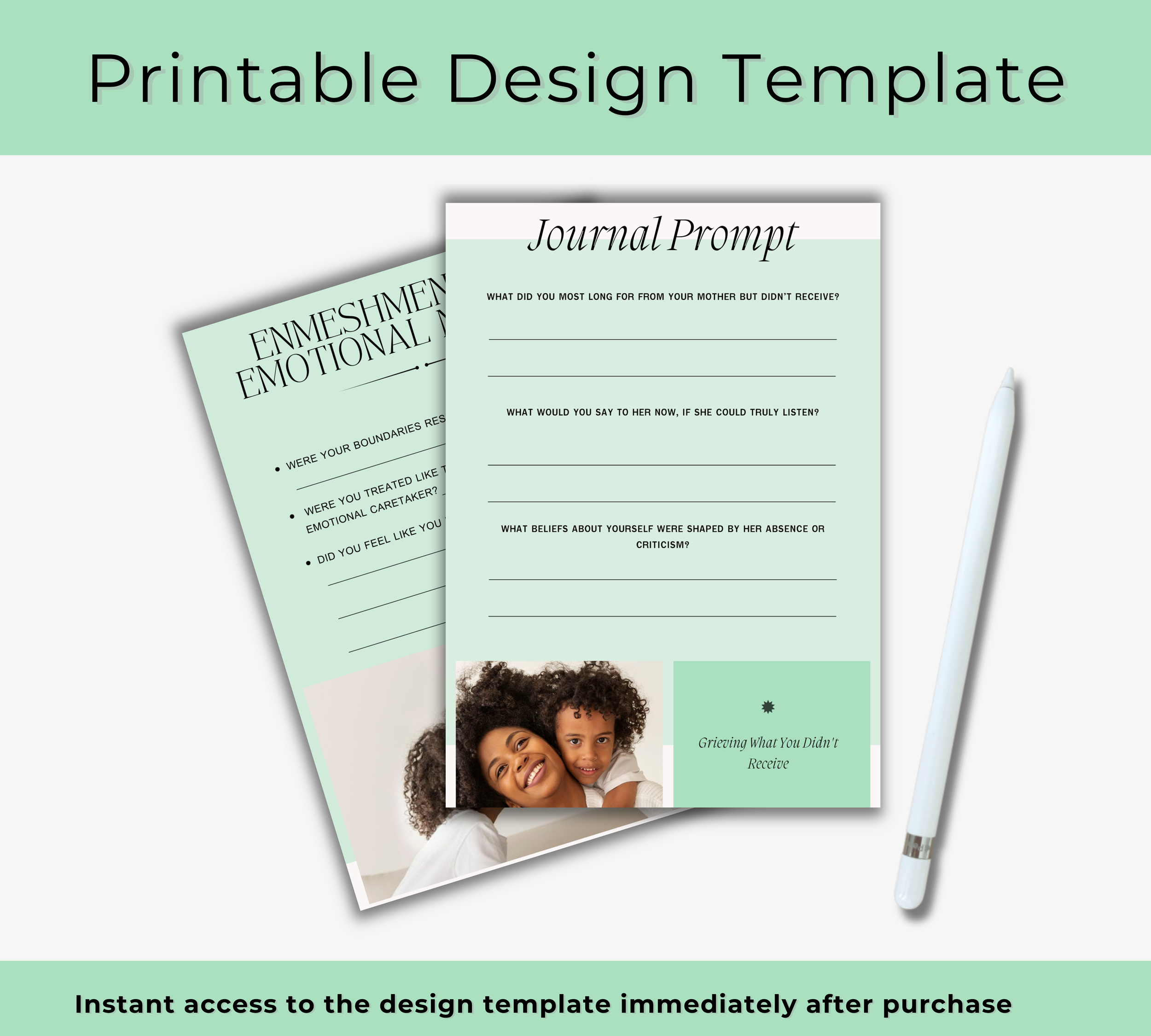
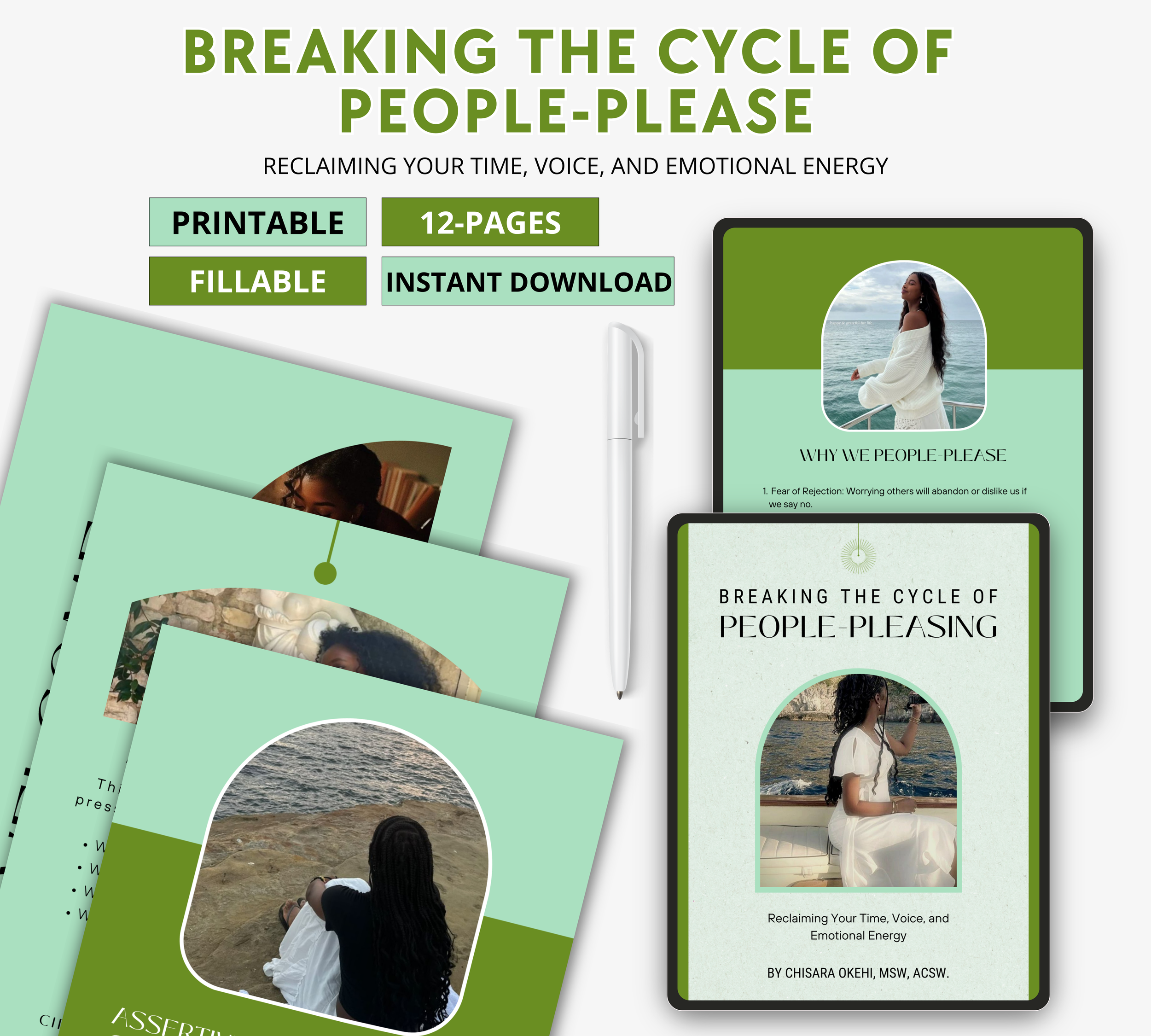
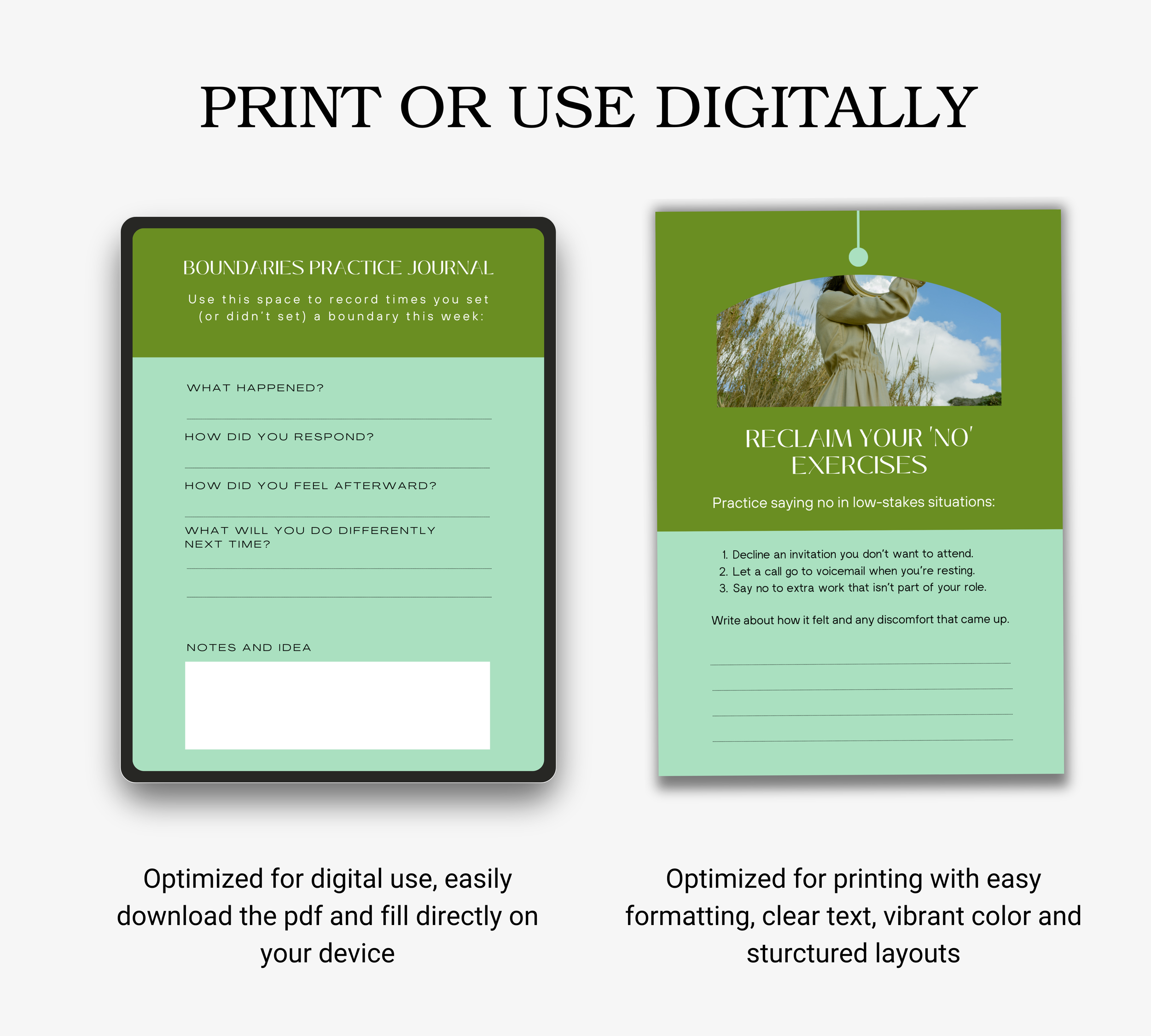
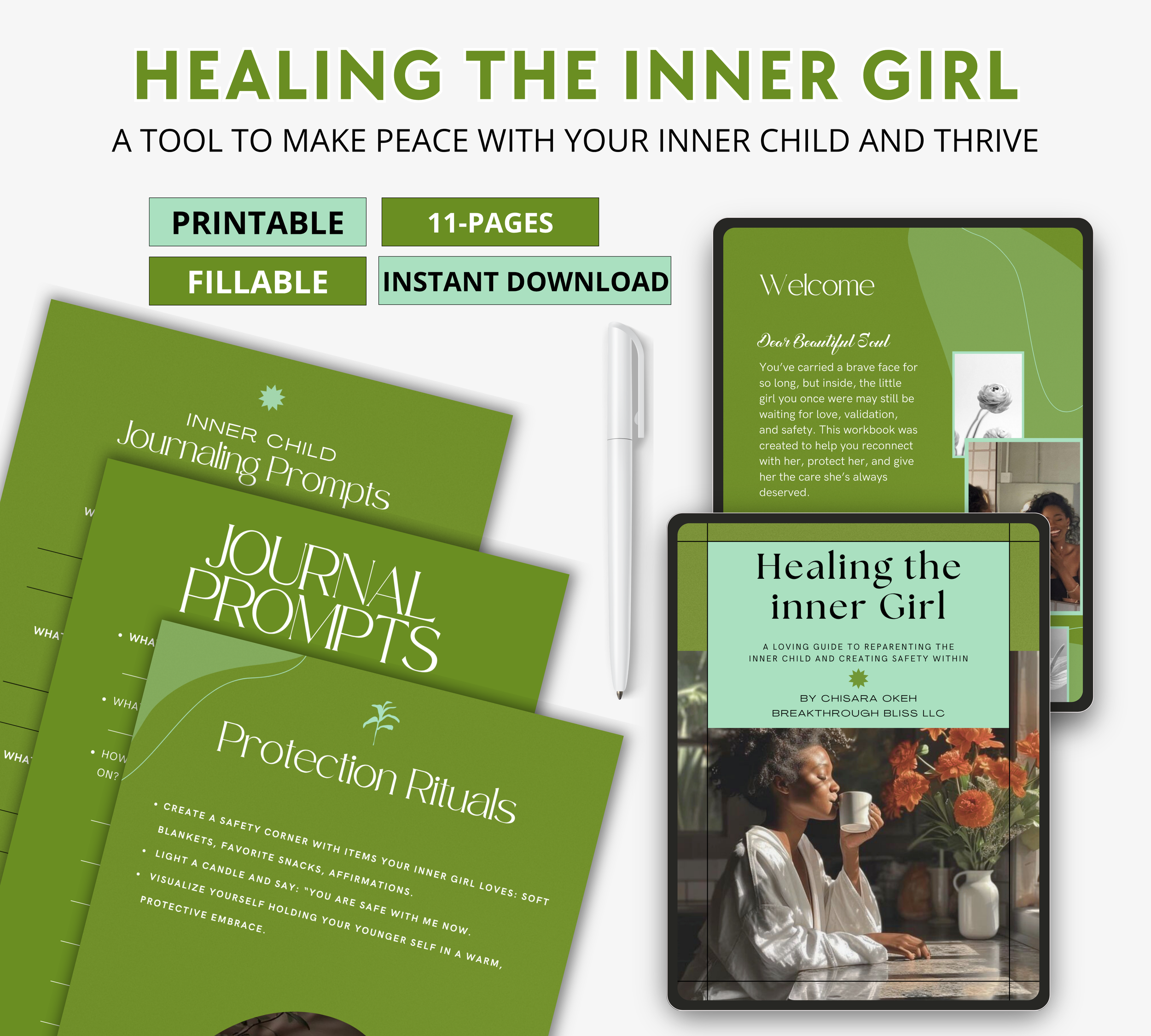
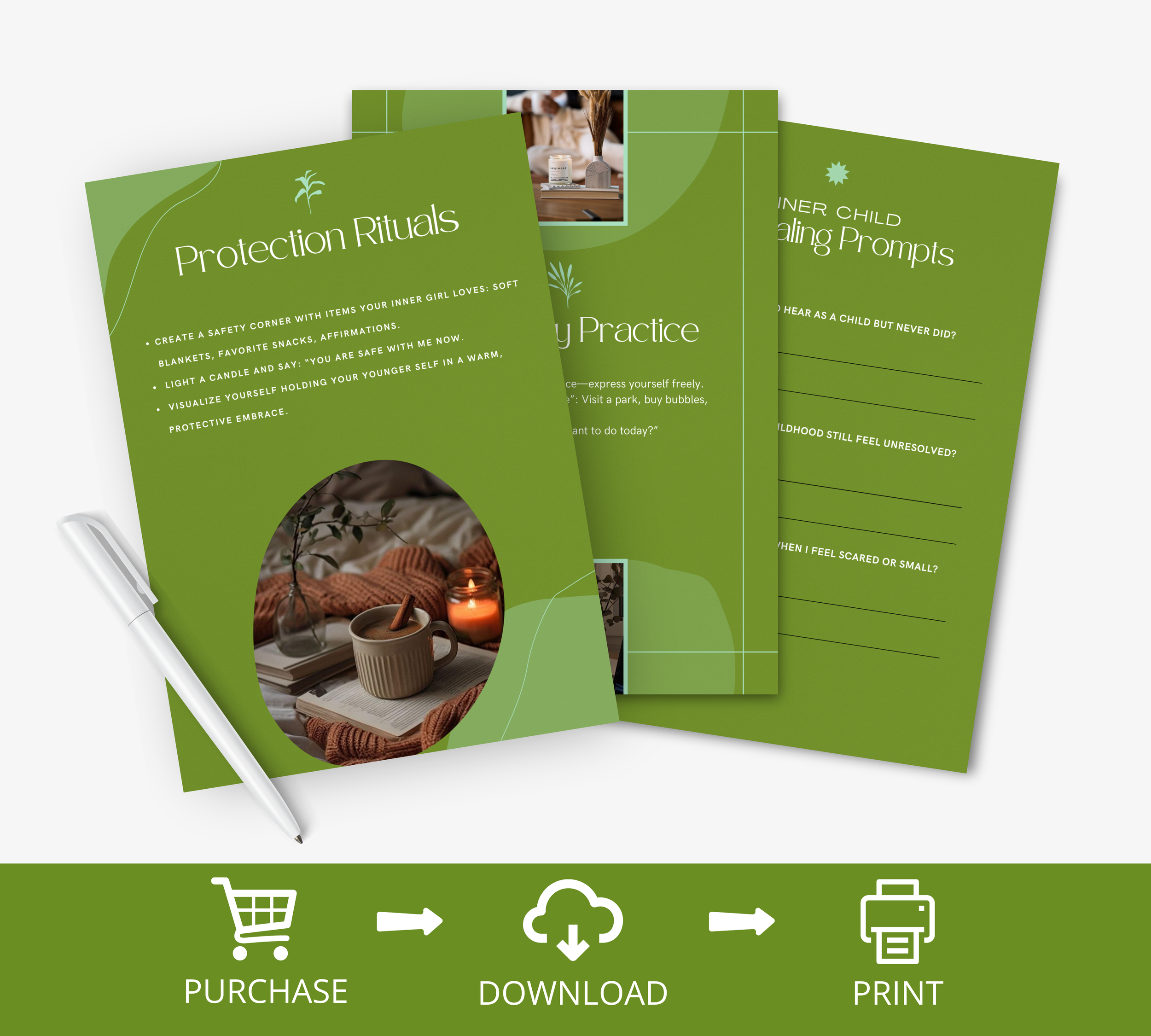
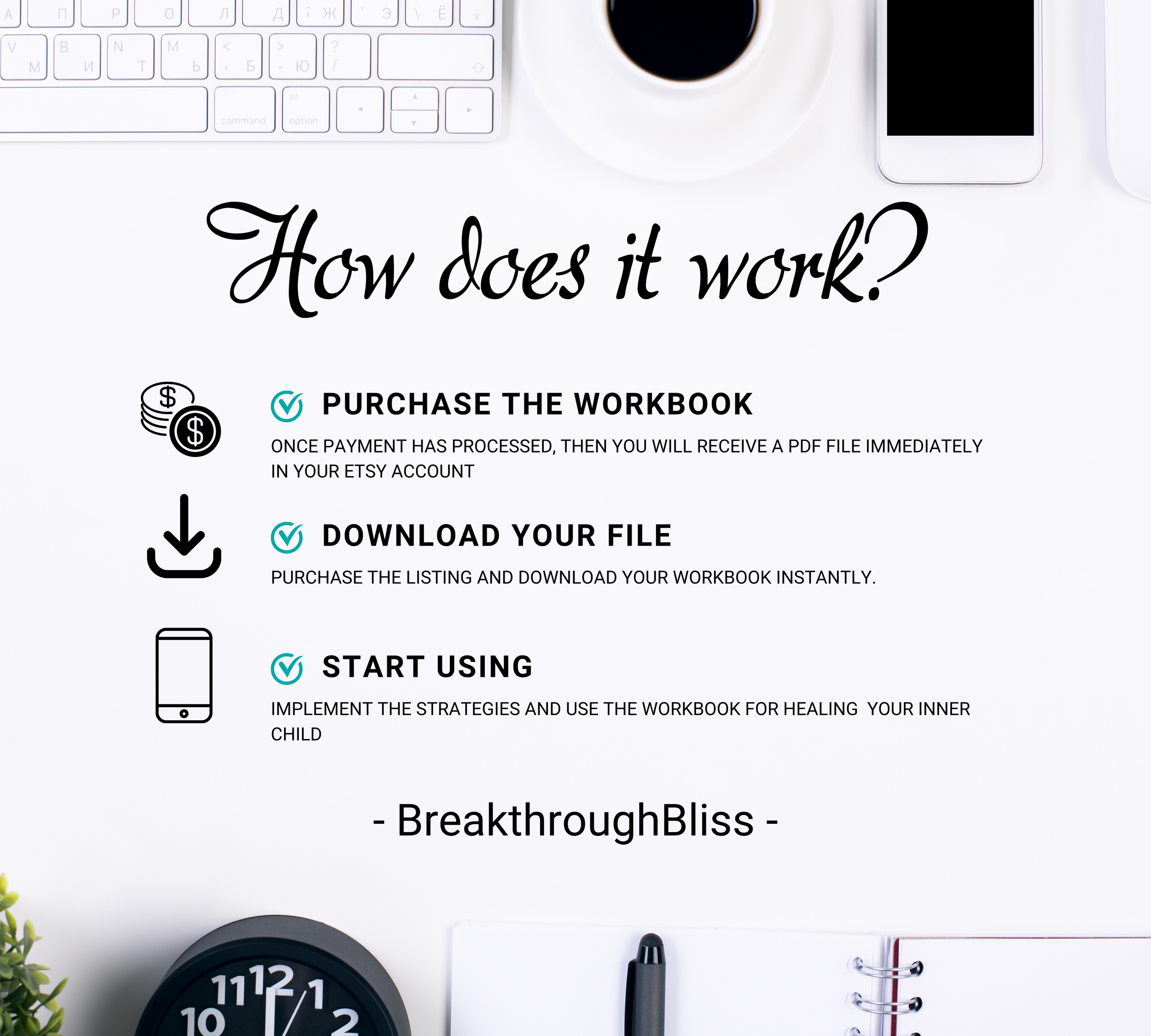
• Digital fillable PDF workbook
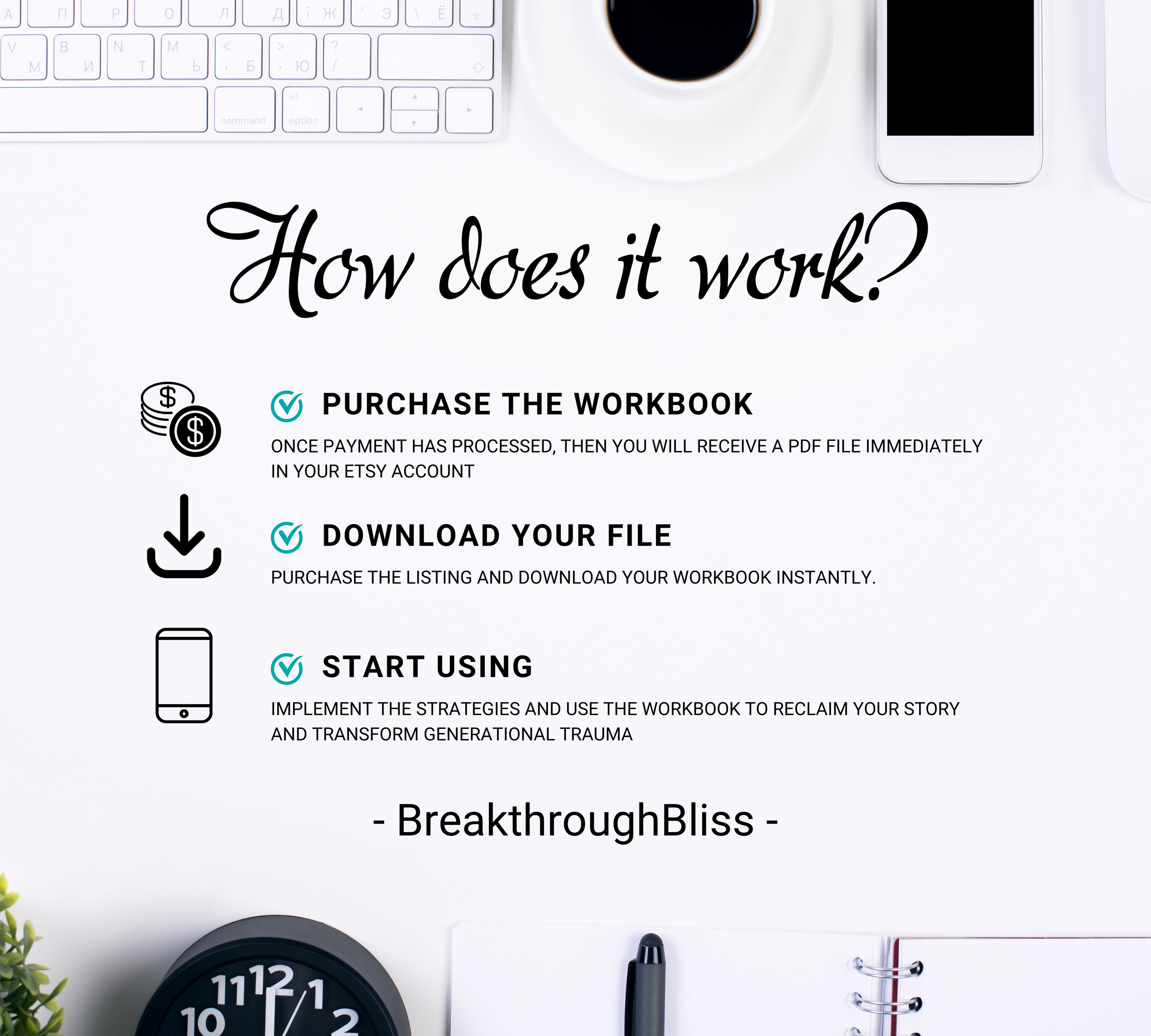
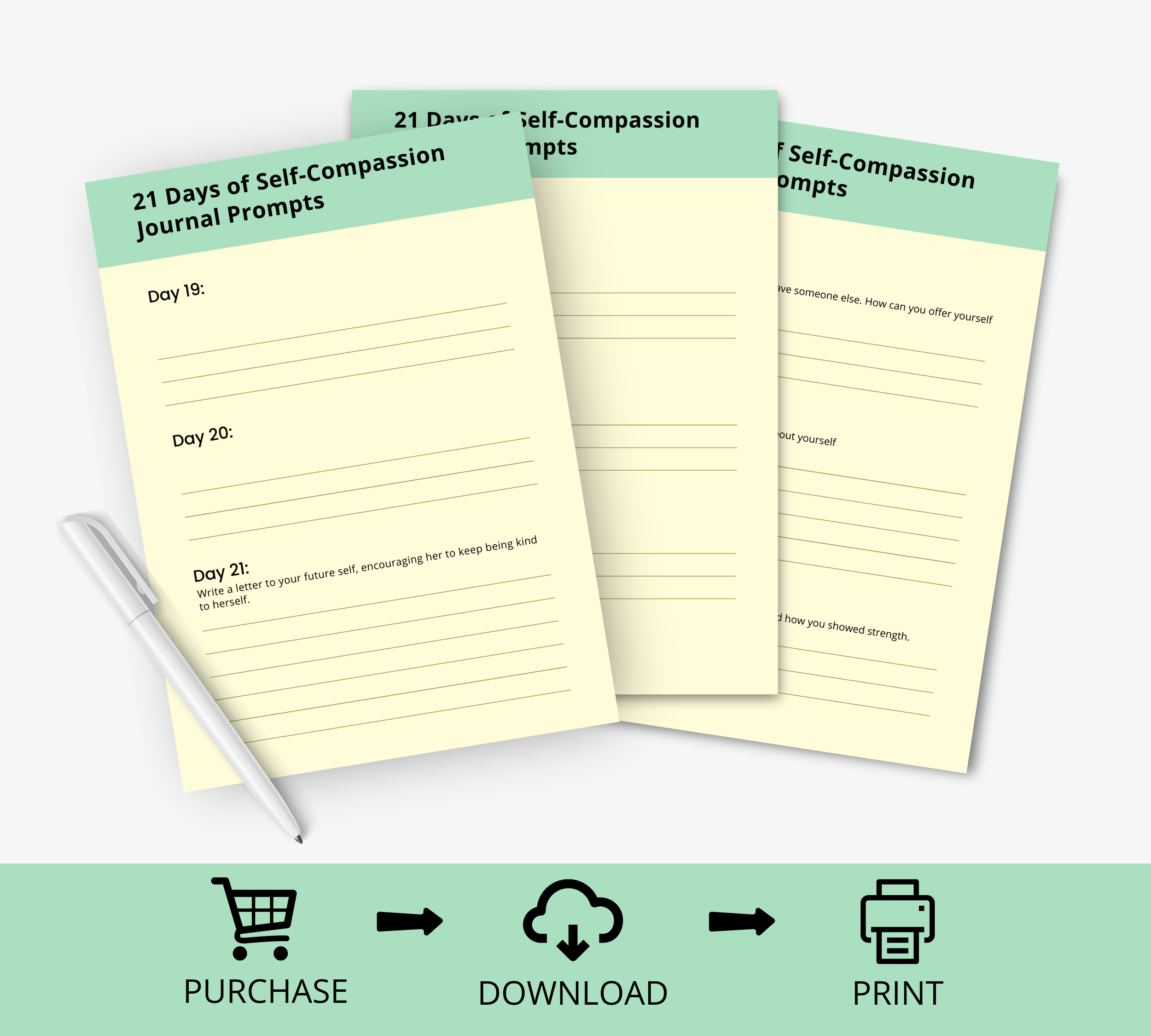
• Immediate download after purchase
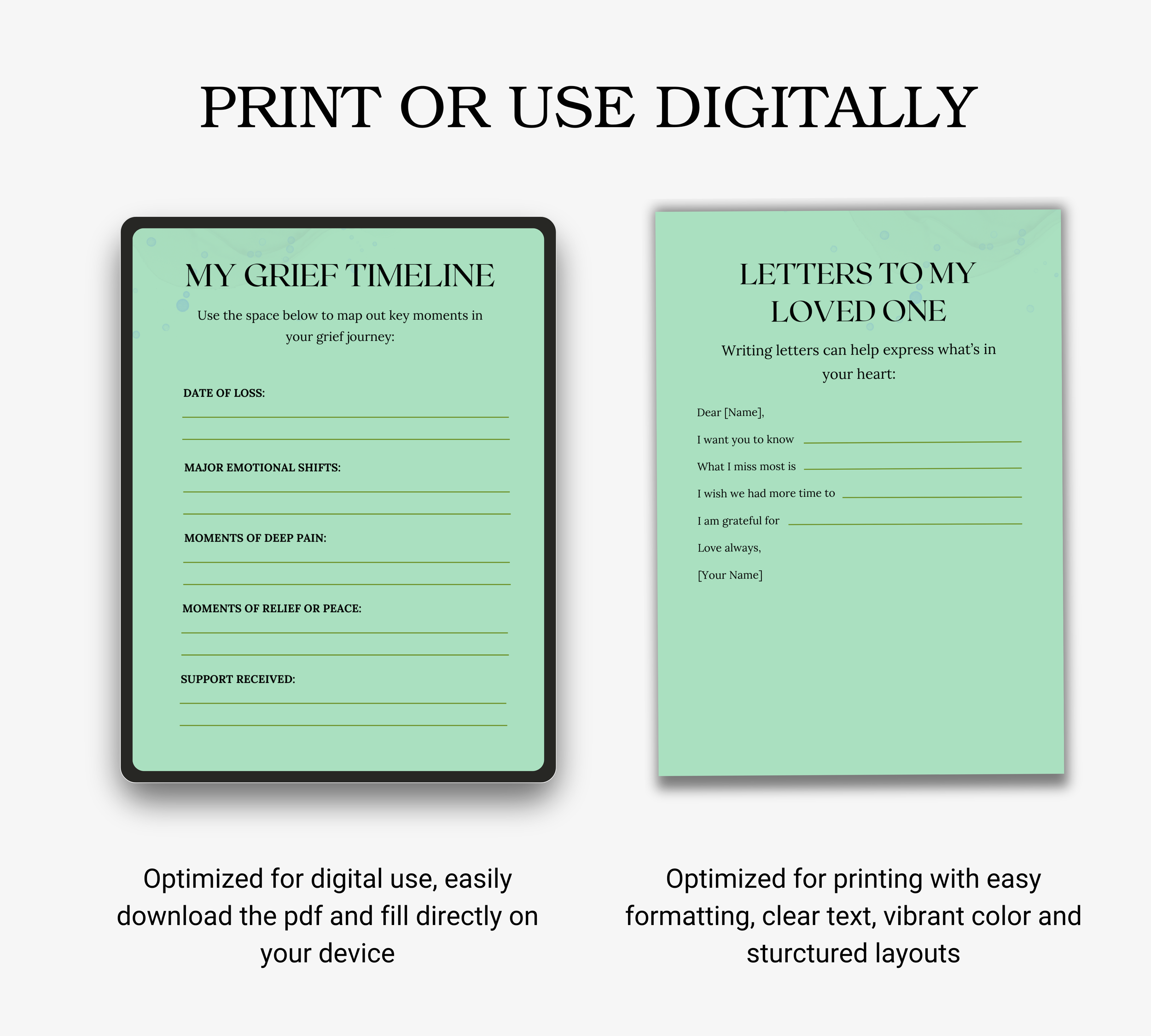
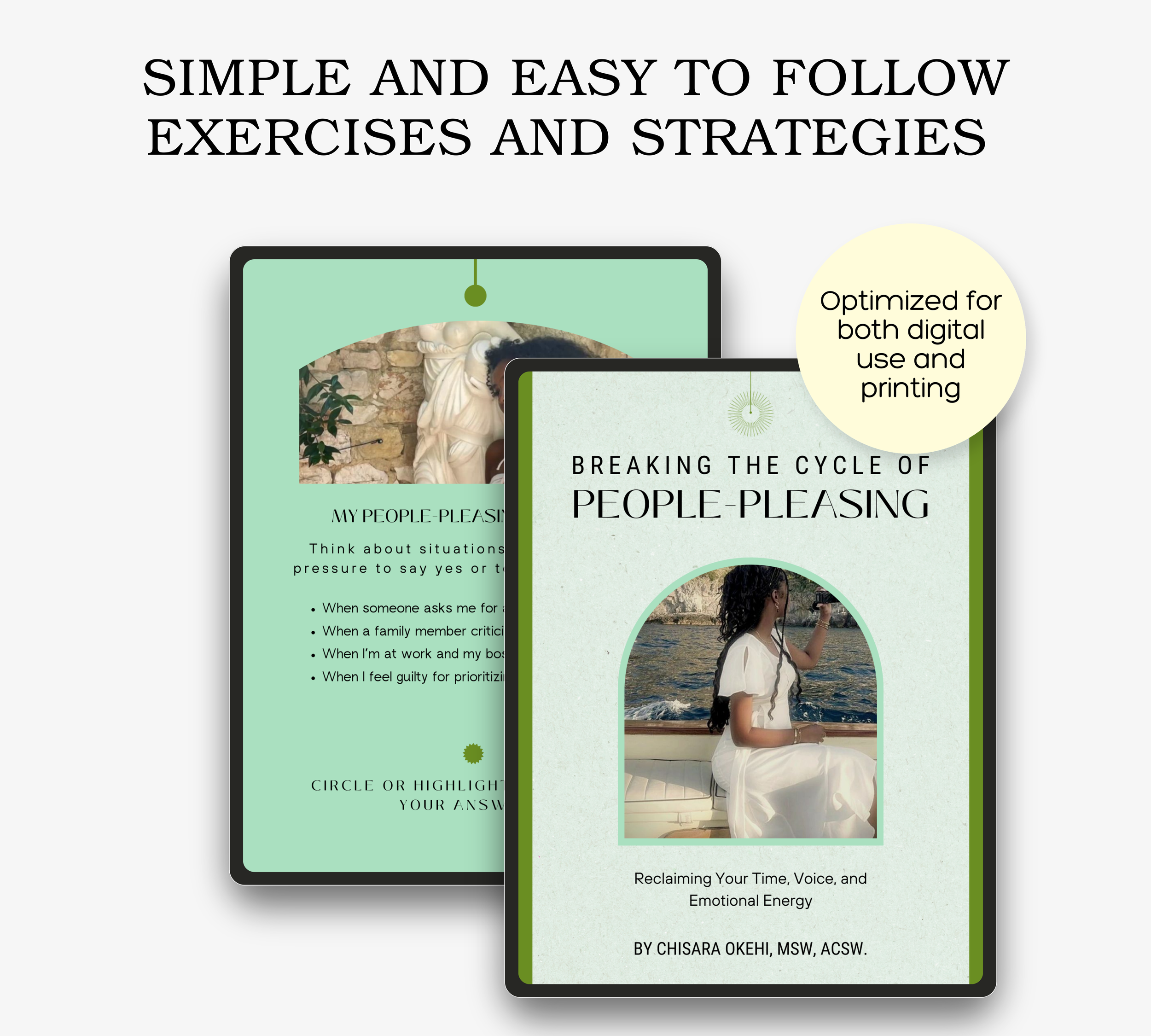
• Printable or usable on your device
• 14 thoughtfully designed pages
• Can be used independently or alongside therapy or coaching
The way you connect to others is shaped long before adulthood. Attachment styles form in early childhood and quietly influence how you respond to intimacy, boundaries, conflict, and emotional safety. For many women, especially women of color, these patterns are further complicated by generational trauma, cultural expectations, and survival based roles that reward strength over vulnerability.
Attachment Styles is a guided workbook created to help you understand your attachment style, recognize how it shows up in your relationships, and begin the process of healing toward secure attachment.
Written by Chisara Okehi, LCSW, this workbook blends attachment theory, trauma informed care, and culturally responsive reflection to help you explore your emotional patterns with compassion rather than judgment. You will learn that your behaviors were once protective, even if they no longer serve you.
This workbook is not about fixing yourself. It is about understanding yourself.
What You’ll Learn and Explore
✔ The four main attachment styles, secure, anxious, avoidant, and disorganized
✔ How attachment patterns develop and why they persist into adulthood
✔ How attachment styles commonly show up in women’s romantic relationships and friendships
✔ The unique impact of racial trauma, cultural expectations, and generational survival on attachment
✔ How to assess your own attachment style through guided self reflection
✔ Practical steps to move toward secure attachment
✔ Grounding and regulation tools for emotional triggers
✔ Journaling prompts to explore safety, boundaries, and emotional needs
✔ Affirmations to support secure attachment and self trust
✔ Resources for continued healing and therapeutic support
Who This Workbook Is For
This workbook is for women who:
• Struggle with trust, closeness, or emotional safety
• Find themselves overgiving, withdrawing, or fearing abandonment
• Feel conflicted about intimacy and independence
• Were raised to be “strong” but not emotionally supported
• Want healthier relationships but do not know where to start
• Are healing from childhood trauma or relational wounds
This workbook is especially affirming for Black women and women of color seeking culturally aware emotional wellness tools.
What Makes This Workbook Different
This is not a surface level attachment quiz.
This workbook is grounded in clinical knowledge and written with deep respect for lived experience. It acknowledges the role of trauma, oppression, and survival while offering realistic, compassionate tools for change. The tone is validating, honest, and emotionally safe.
Format and Access
• Digital fillable PDF workbook
• Immediate download after purchase
• Printable or usable on your device
• 14 thoughtfully designed pages
• Can be used independently or alongside therapy or coaching


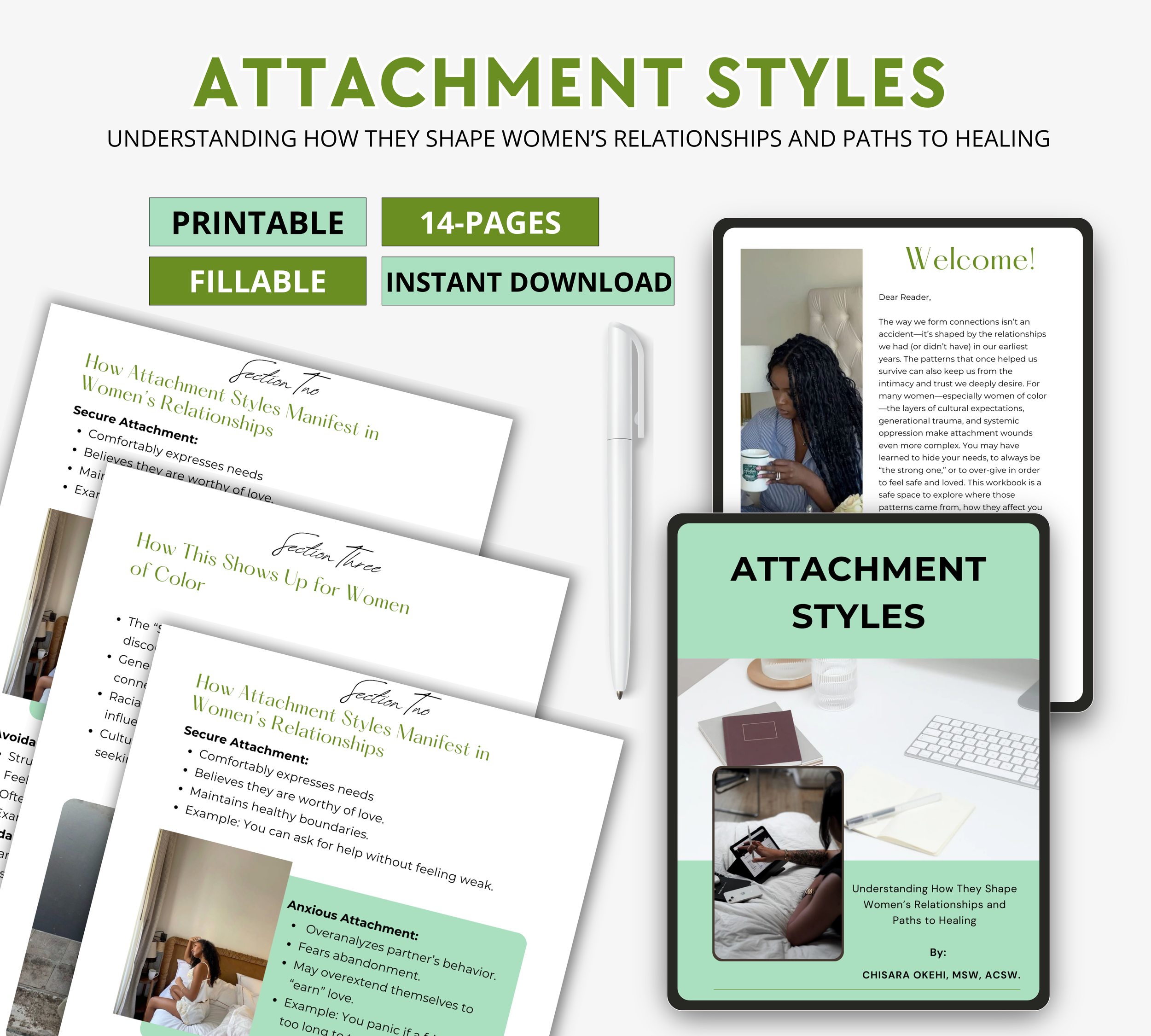 Image 1 of 8
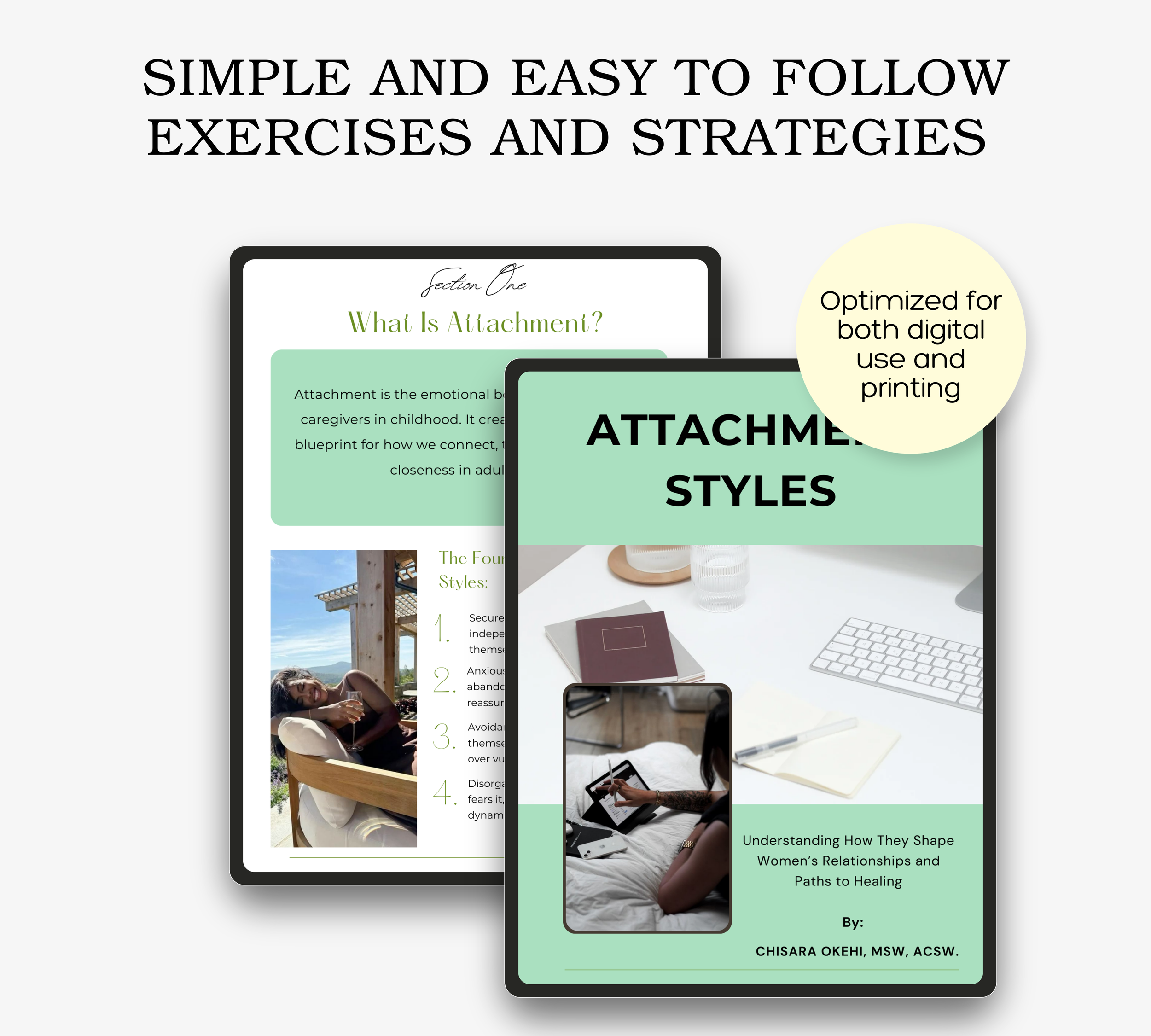 Image 2 of 8
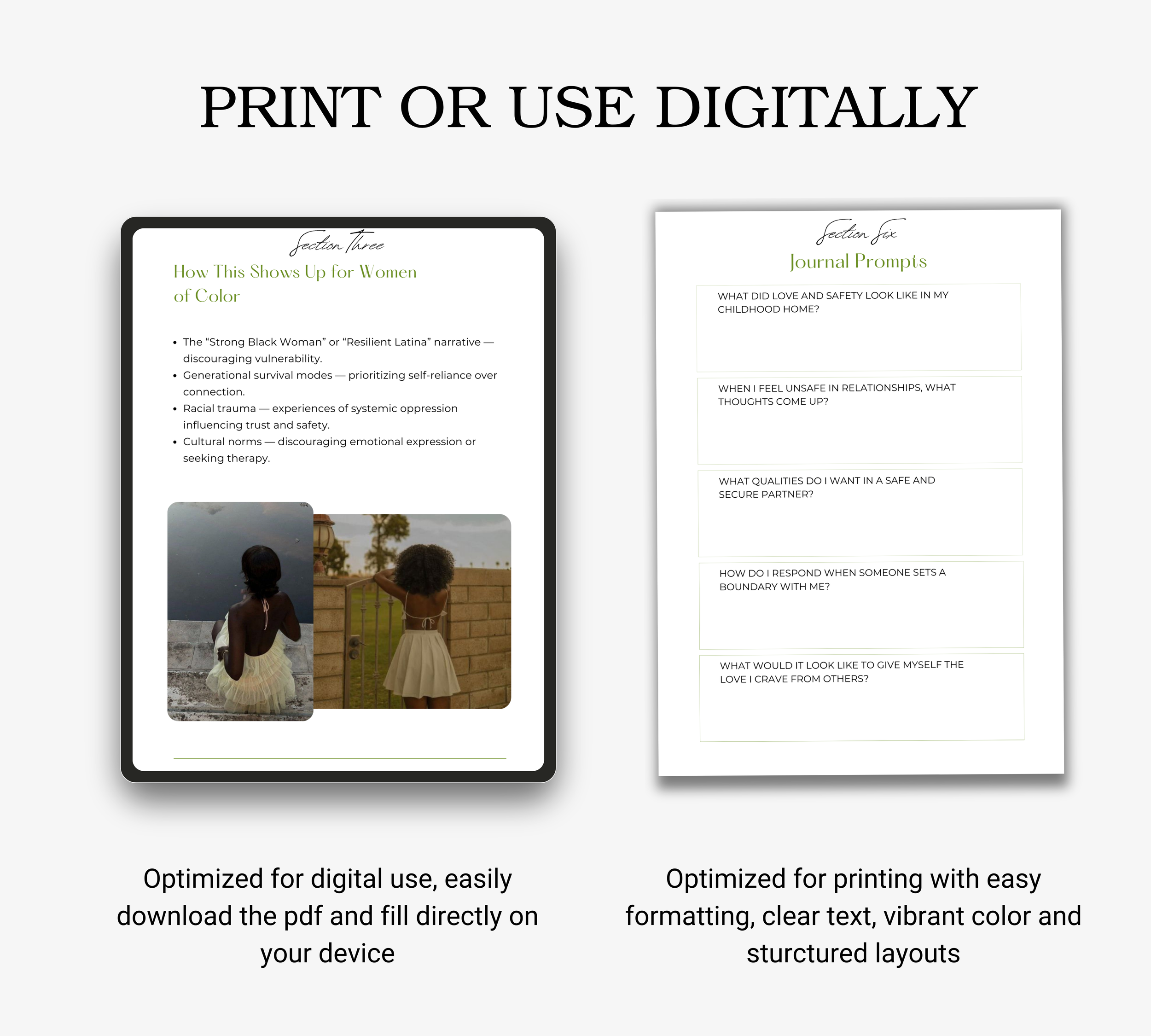 Image 3 of 8
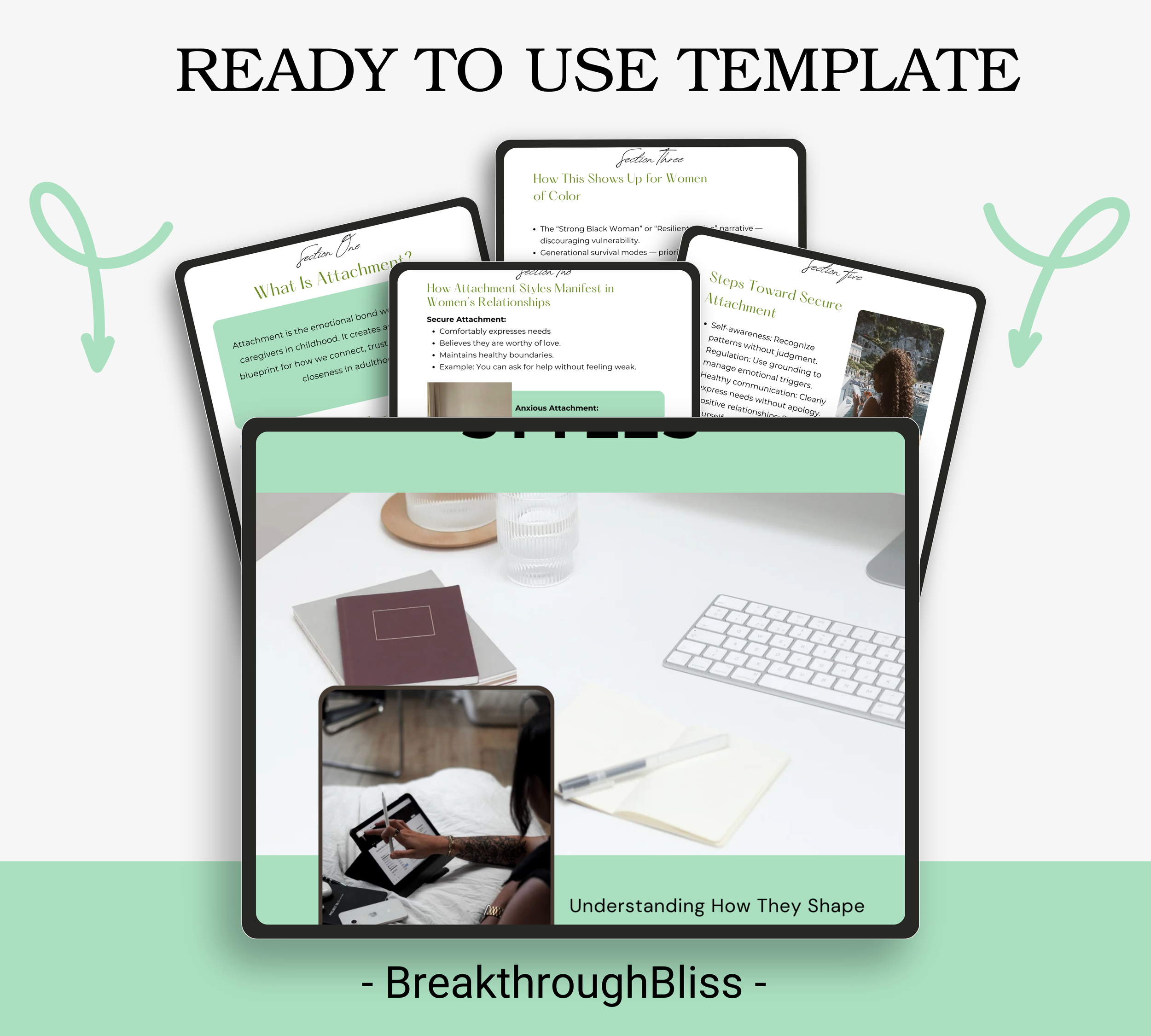 Image 4 of 8
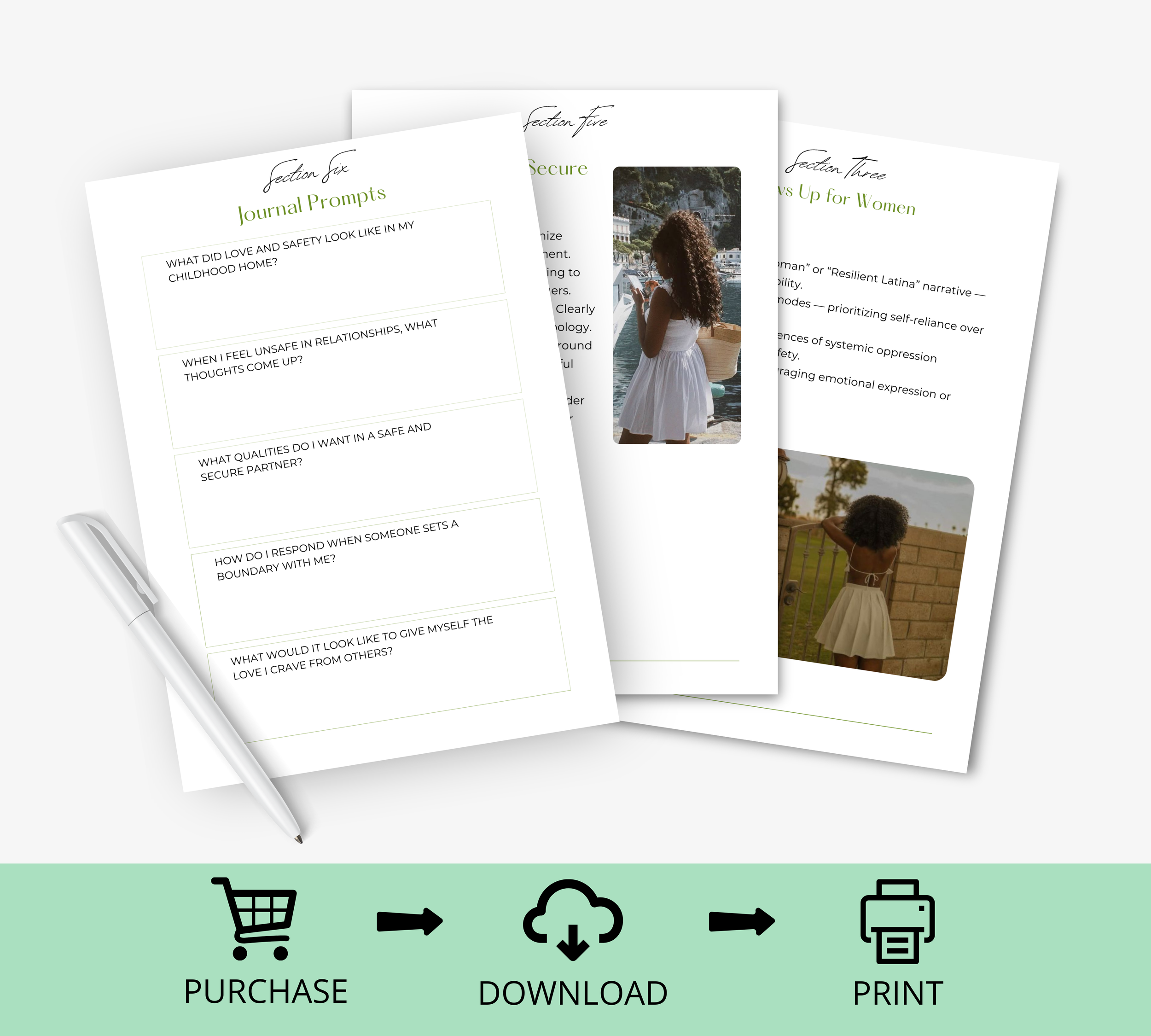 Image 5 of 8
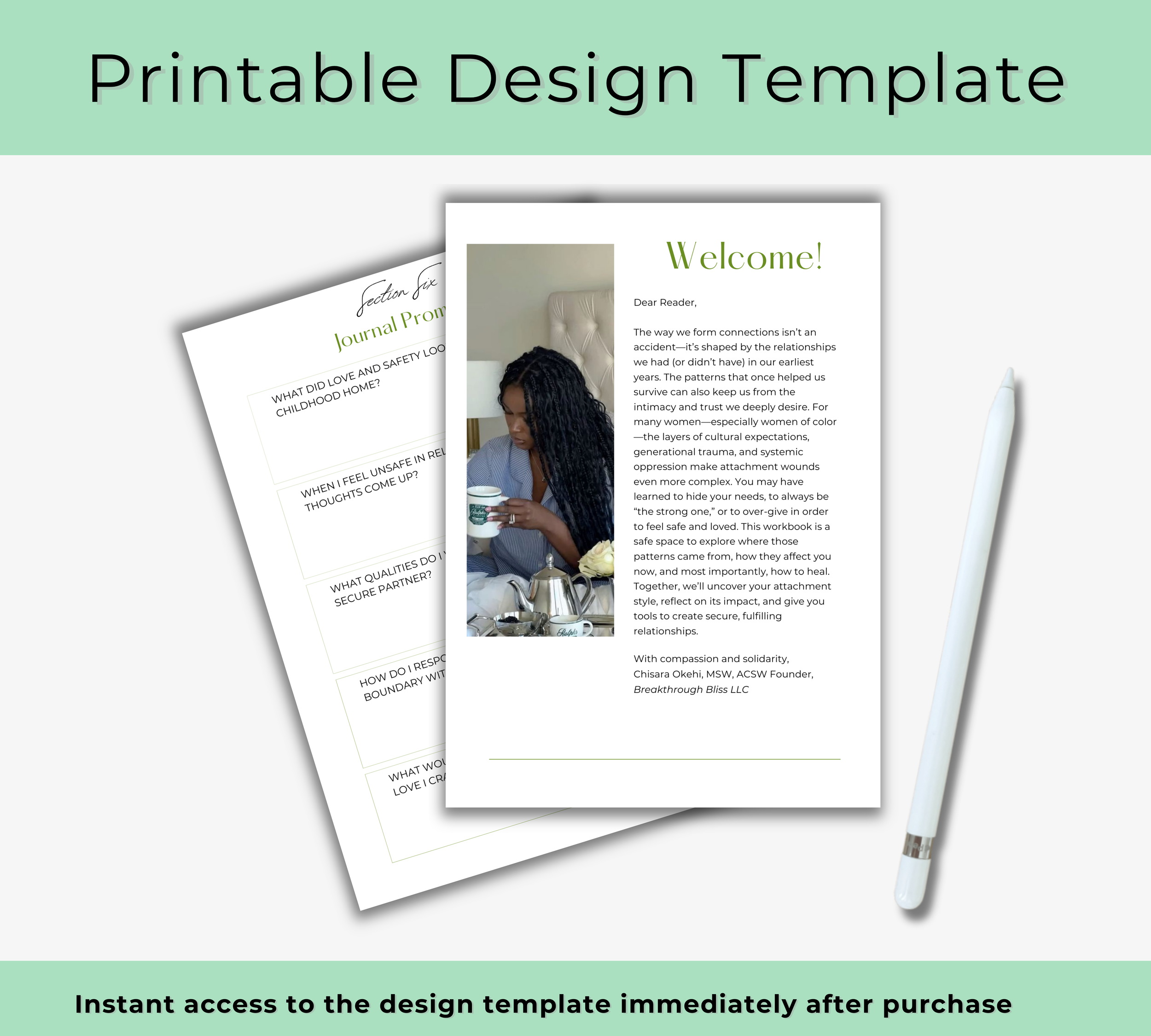 Image 6 of 8
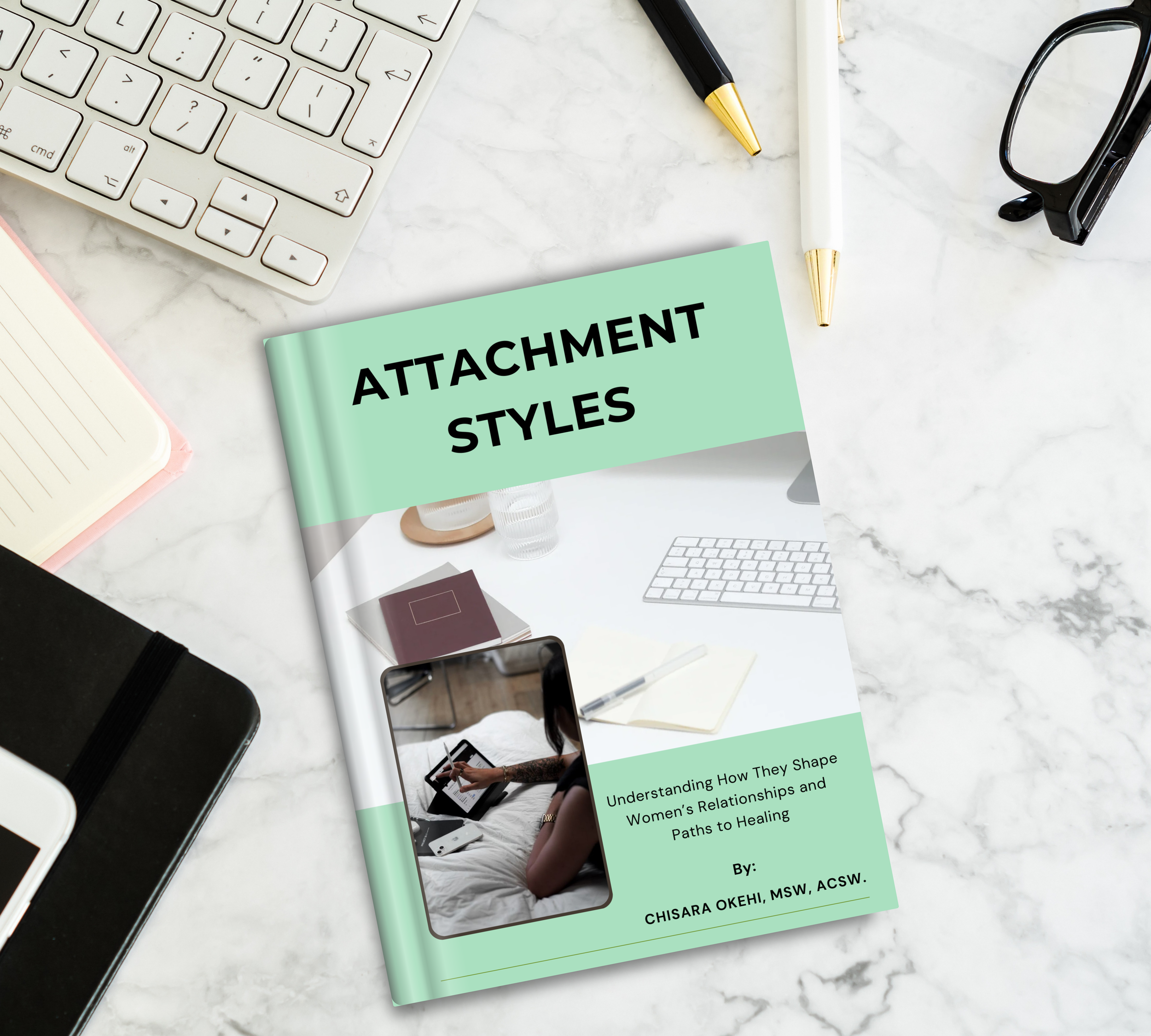 Image 7 of 8
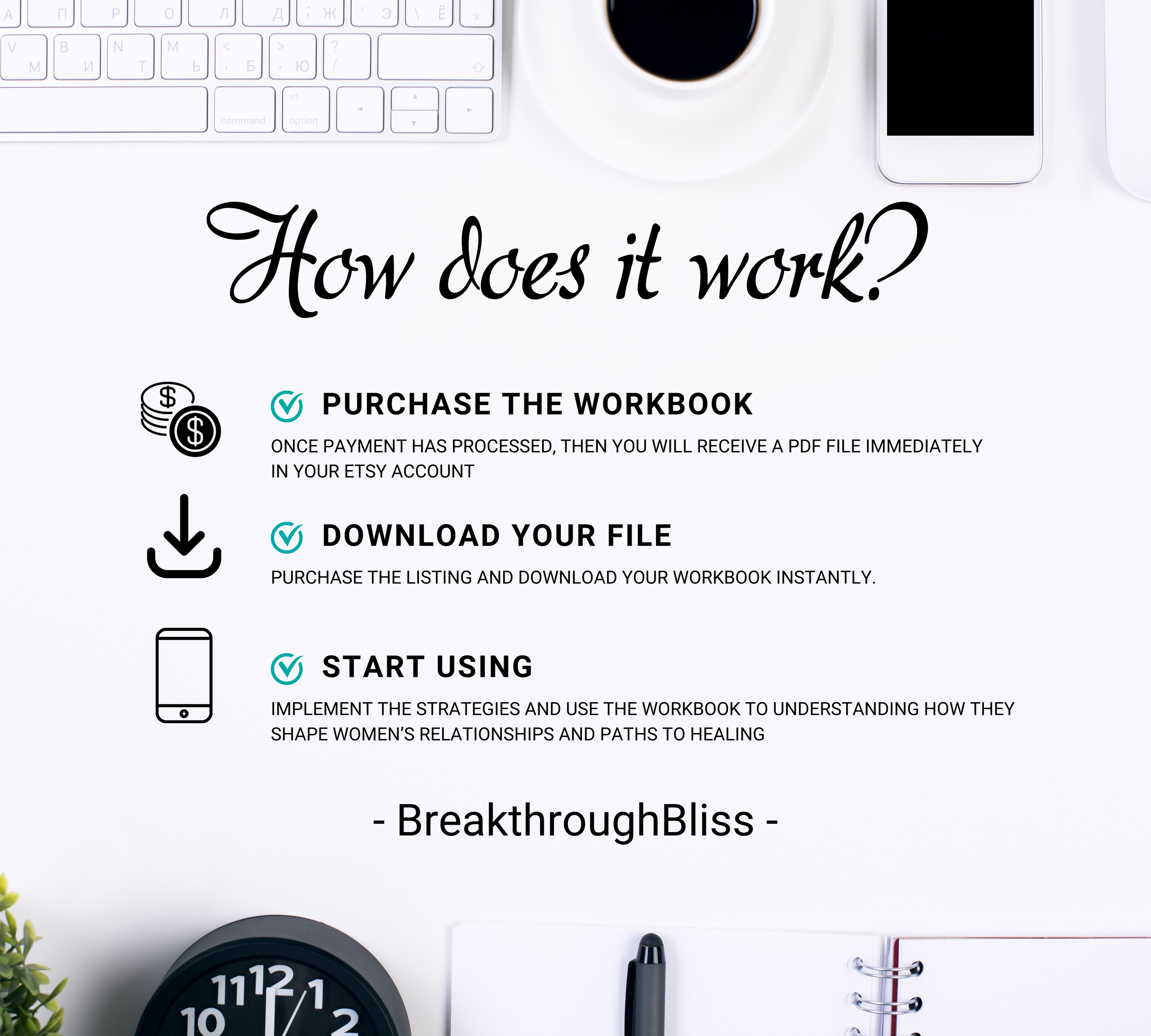 Image 8 of 8